Last updated November 21, 2026
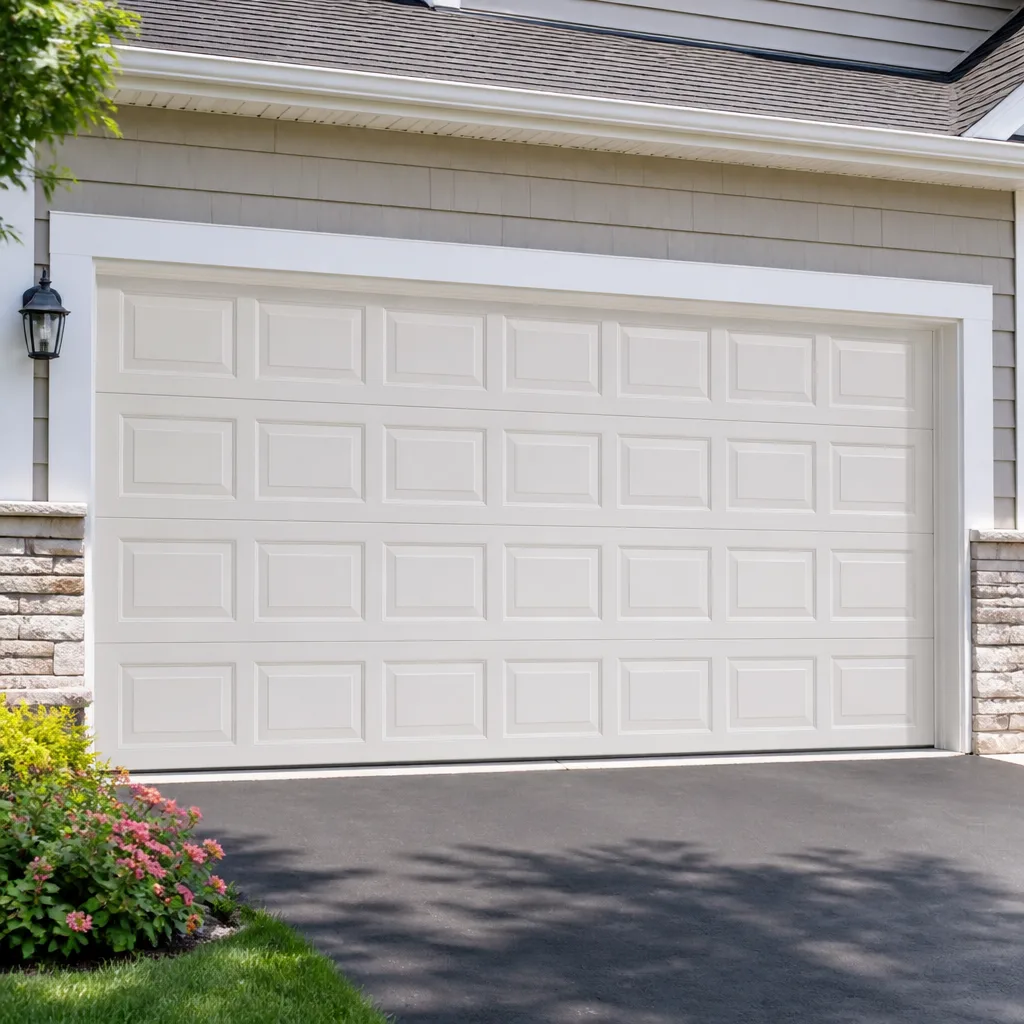 Raised-panel steel
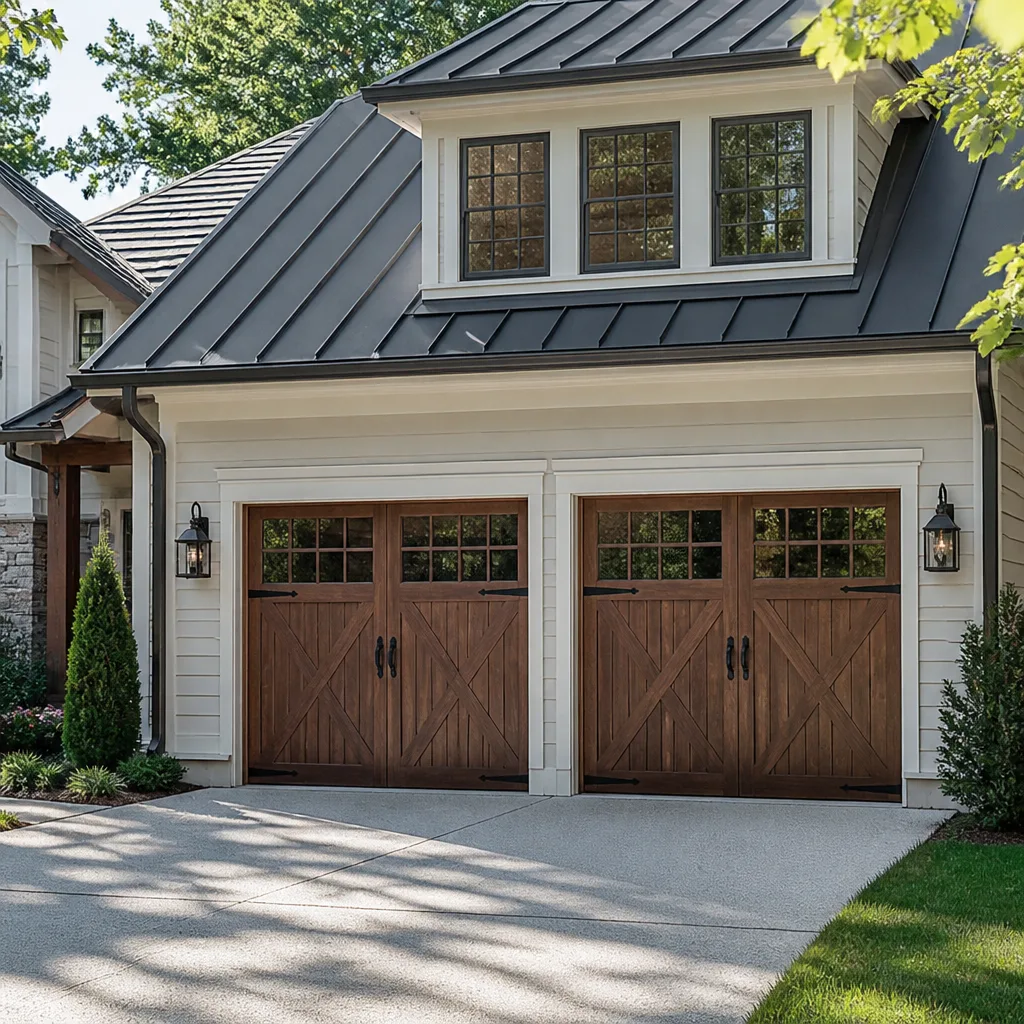 Carriage house
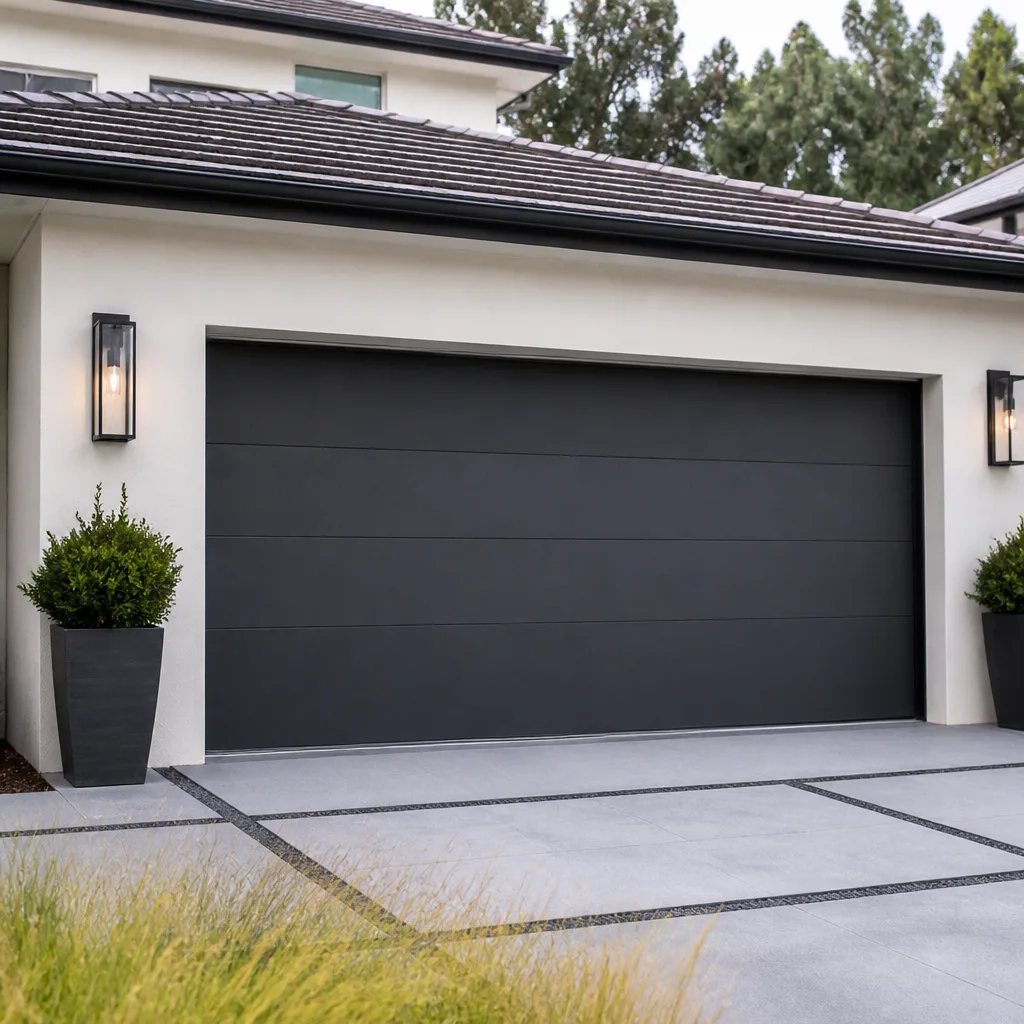 Modern flush
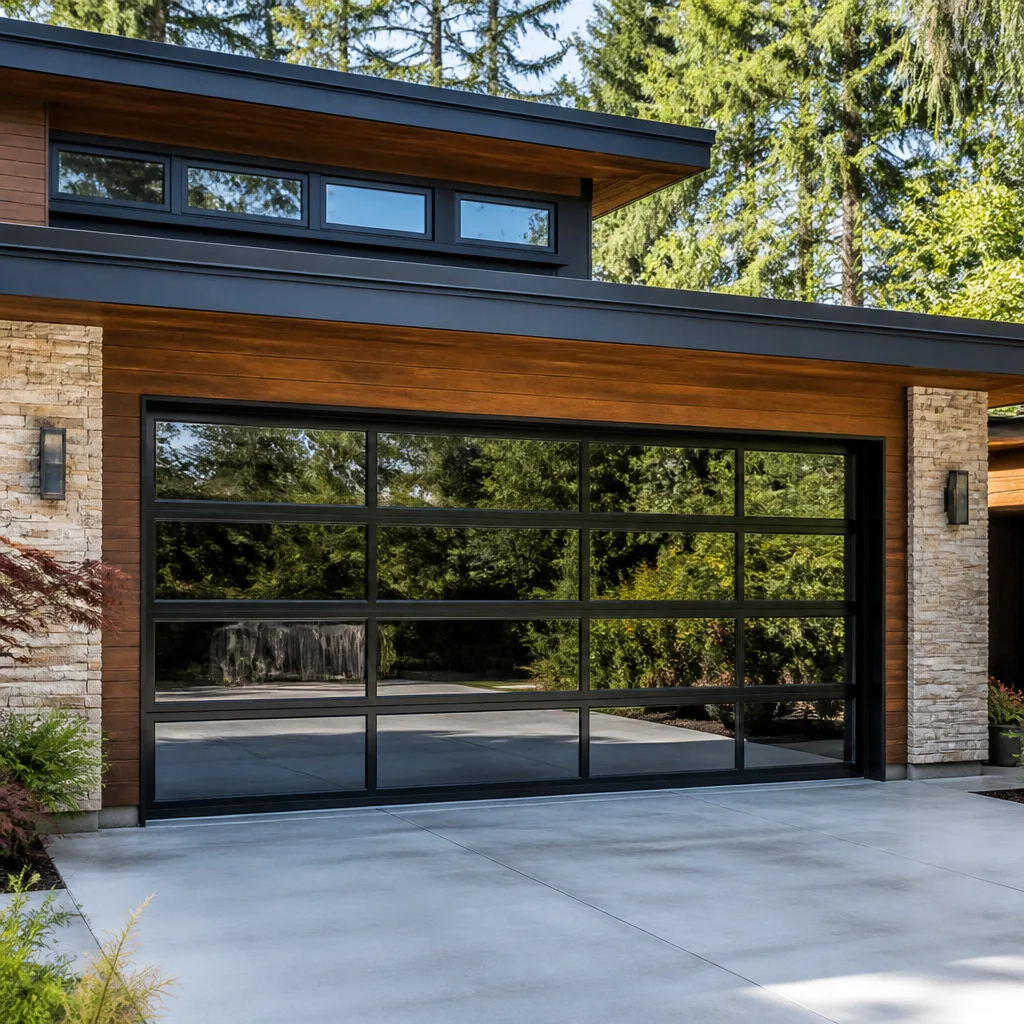 Full-view glass
 LiftMaster openers
 Chamberlain openers
Full 25-point door and opener safety check with every visit - springs, cables, rollers, tracks, and your LiftMaster or Chamberlain opener included
You get a price before we start. It does not change when the pro arrives.
Get your free estimateGarage Door Permits, Codes & Inspections in Shadyside, PA: What You Need to Know
The counterintuitive part of this topic is that a garage door replacement can look finished, work beautifully, and still leave a homeowner exposed. Most garage door swaps in Shadyside never trigger a permit, so most people assume permits don’t apply to doors at all. That’s the trap. The moment the job crosses from a straight like-for-like swap into structural framing or new electrical work, the rules change, and the paper trail starts to matter. This guide walks through when Pennsylvania and City of Pittsburgh code call for a permit, how Shadyside’s historic and conservation overlay districts add a review layer, what an inspector actually checks, and where unpermitted work can surface years later. Read it before you sign anything.
Quick Answer
A simple like-for-like garage door replacement, same size and same opening, usually does not require a permit in Shadyside, PA. A permit is typically needed when the work changes the structure around the opening, widens or heightens the opening, adds or alters electrical circuits for a new opener, or touches a load-bearing header. Shadyside’s historic and conservation overlay districts can add a separate design review for exterior changes even when no building permit is required. The safest move is to call the City of Pittsburgh’s building department and confirm for your specific address before work starts.
Styles & brands we work with
- Raised-panel steel
- Carriage house
- Modern flush
- Full-view glass
- LiftMaster openers
- Chamberlain openers
Table of Contents
- When Does a Garage Door Project Need a Permit in Shadyside?
- How Shadyside’s Historic and Conservation Overlays Change the Process
- What a Residential Mechanical Permit Actually Requires an Inspector to Check
- The Insurance Gap: How Unpermitted Work Surfaces Later
- Contractor-Pulled vs. Homeowner-Pulled Permits
- Openers, Electrical Work, and the Codes You Should Know
- Springs, Cables, and the Safety Side of Code Compliance
- A Step-by-Step Walk Through the Permit and Inspection Process
When Does a Garage Door Project Need a Permit in Shadyside?
Start with the distinction that decides almost every case: is the job replacing a door, or is it changing the opening? In Shadyside, swapping one door for another of the same dimensions in the same opening is generally treated as ordinary maintenance and typically doesn’t need a permit. The moment the work alters the opening’s size, the framing around it, or the electrical service feeding the opener, you’ve moved into permit territory. That’s the line most homeowners don’t know exists.
These are the situations where we tell Shadyside homeowners to expect a permit requirement:
- Changing the opening dimensions. Widening a single-car opening to fit a double door, or raising the header for a taller door, involves structural framing and usually triggers a building permit.
- Modifying or replacing a load-bearing header. Any change to the structural member above the opening means an inspector will want to see the work.
- Installing a new electrical circuit or outlet for an opener. New wiring for a garage door opener generally requires an electrical permit, separate from any building permit.
- Converting the garage or its access. Turning a garage into living space, or changing how vehicles enter, moves the project into a different review category entirely.
- Work in a listed historic or conservation overlay. Even where no building permit applies, exterior changes can require a separate review. That’s covered in the next section.
Like-for-like replacements of the door, the tracks, and the springs generally fall outside the permit net. If you’re unsure whether your project is a straight replacement or a structural change, the answer is one phone call to the City of Pittsburgh’s building department. Ask about your specific address, and describe the job in plain terms. They’ll tell you what category it falls into. That call costs nothing and settles the question definitively, which is far better than guessing and finding out at resale.
One note for homeowners in the older housing stock around Shadyside: original openings are sometimes not quite square after decades of settling, which means a “same-size” replacement can drift into minor framing adjustments. That’s when the job can cross the threshold. A door specialist will measure the opening and tell you upfront whether the install is a straight swap or a framing job, before any contract is signed.
How Shadyside’s Historic and Conservation Overlays Change the Process
Shadyside sits inside some of Pittsburgh’s most carefully watched architectural territory. Parts of the neighborhood fall within historic district and conservation overlay boundaries, and those designations add a review layer that has nothing to do with whether you need a building permit. A project can be permit-exempt and still need design review. That’s the part that surprises people.
Here’s how the two tracks work in parallel:
- Building permit track. Governed by the City of Pittsburgh’s building department based on the scope of construction. This is where structural changes and electrical work get reviewed.
- Design review track. Governed by the historic or conservation overlay rules that apply to exterior changes visible from the street. This governs how the door looks, not how it’s built.
In practice, a homeowner replacing a garage door in a Shadyside overlay district may need to submit the door’s style, material, color, and panel configuration for review even when no building permit is required. The review is about matching the character of the streetscape. A modern full-view aluminum door with frosted glass may sail through one block and raise questions on another, depending on the surrounding architecture and the overlay’s specific standards.
What this means before you order: check the overlay status of your address first, then pick the door. Reversing a special-order door because the style wasn’t approved is an expensive mistake, and it’s avoidable. If your property is inside an overlay, ask the city what documentation the review requires and how long the review typically takes. Build that time into your schedule rather than ordering the door first and hoping. We work with homeowners across Shadyside on this sequencing, because the door choice and the review have to be decided in the right order for the project to move cleanly.
Overlay review is separate from the question of whether the door is installed correctly. It governs appearance. Both matter, but they’re handled by different people, and mixing them up wastes time. Get the design sign-off, then let the installation be scheduled.
What a Residential Mechanical Permit Actually Requires an Inspector to Check
A residential mechanical permit exists to confirm the work was done to code by someone who knows the code. When an inspector visits a garage door or opener project, they’re checking a specific set of things, and knowing what they are is the best way to understand why the permit matters. This isn’t bureaucracy for its own sake; each check corresponds to a real failure mode.
An inspection on this kind of work generally verifies:
- Structural integrity of the opening. The header, jambs, and framing are sound and correctly sized for the door, and any modifications are properly supported.
- Correct door and hardware installation. The door is hung plumb, tracks are aligned, and the hardware is appropriate for the door’s weight and size.
- Spring and cable safety. Springs are correctly rated for the door weight, cables are properly routed, and safety containment is in place. This is the check that protects people from the most dangerous part of the system.
- Opener electrical work. New wiring is correctly installed, grounded, and protected, and the outlet serving the opener is in the right location.
- Safety reversal and force settings. The opener’s auto-reverse function responds correctly to an obstruction, and the closing force is set within spec.
What the permit really protects is the homeowner. It creates a record that a qualified person oversaw the work and that an independent party confirmed it meets code. If something fails later, you have documentation. If you sell, you have proof. If a claim arises, you have a paper trail that says the installation wasn’t a shortcut. For a system that guards your home’s main entry point and involves springs under extreme tension, that record is worth having.
Talk to us about garage door installation and we’ll tell you upfront whether your project needs a permit, and what the inspection will involve if it does. We’d rather have that conversation before the work starts than after.
The Insurance Gap: How Unpermitted Work Surfaces Later
Here’s the part of this topic that doesn’t get enough attention. A garage door replacement that skips a required permit doesn’t just risk a fine from the city. It can complicate a homeowner’s insurance coverage for any incident involving that door. The mechanism is straightforward once you see it: insurers assess claims based on whether the work was done to code and permitted where required. Work that should have been permitted and wasn’t can become a coverage question.
Three places unpermitted work tends to surface:
- During a claim investigation. If a garage door fails and causes damage, or someone is injured, the insurer may ask whether the installation was permitted. If it wasn’t and should have been, the claim can be contested.
- During a home sale. Most disclosure forms ask directly about unpermitted work. A buyer’s inspector who notices a structural change to a garage opening will flag it, and the seller has to explain. That conversation can cost more than the permit ever would have.
- During a refinance or appraisal. Lenders and appraisers increasingly look at permitted work as part of the property record, and an unpermitted structural change can complicate the process.
The reason this catches people off guard is that the failure doesn’t show up at the moment of installation. It surfaces months or years later, when the stakes are highest. The permit itself is usually a modest line item in a project budget. The downside of skipping it is disproportionate to the cost of getting it.
We can’t speak to any specific insurer’s coverage decisions, and we’d never tell you how a particular claim will go. What we can tell you is the general principle: permitted work creates a record, unpermitted work creates a question, and questions are expensive to answer after the fact. If your garage door project involves anything beyond a straight replacement, ask the city first. If your door is failing and needs repair rather than replacement, you can reach us for garage door repair and we’ll advise on the permit question as part of the conversation.
Contractor-Pulled vs. Homeowner-Pulled Permits
When a permit is required, someone has to pull it. That someone can be the contractor doing the work, or the homeowner. In practice, the contractor path is the one that keeps the project clean, and here’s why.
A licensed contractor handles the permit in their own name. That means they’re the party responsible to the city for the work meeting code. They submit the application, schedule the inspections, meet the inspector on site, and close the permit when the work passes. If something needs correction, they’re the one who fixes it. The homeowner’s job is to review the finished work and pay the agreed price.
When a homeowner pulls the permit independently, they become the responsible party. In most jurisdictions that means they’re attesting to doing the work to code and taking on the inspection obligations themselves. For a job involving structural framing or electrical work, that’s a serious assumption of liability. It also tends to slow the project down, because the homeowner has to coordinate inspections and be present for them.
A few practical points for Shadyside homeowners:
- Ask any contractor upfront whether the permit is included in their quote, and get that in writing. A quote that omits the permit is incomplete.
- Confirm the permit will be pulled in the contractor’s name, not yours, for any work that requires one.
- Ask who schedules the inspections and who meets the inspector. The answer should be the contractor.
- Keep copies of the permit and the final inspection sign-off. Those documents protect you later.
We pull permits where they’re required, coordinate the inspections, and hand you the paperwork when the job closes. It’s part of running a garage door project properly rather than leaving the compliance side to chance. Our technicians have up to 13 years of experience on this work, and the permit process is part of that experience.
Openers, Electrical Work, and the Codes You Should Know
The electrical side of a garage door project is where permits and code requirements get underestimated. Replacing a door is mostly a mechanical job. Replacing or adding an opener can involve new wiring, and new wiring is electrical work. Any time a new circuit or outlet is installed to serve an opener, expect an electrical permit requirement and an inspection. That’s separate from the door itself.
Modern openers from brands like LiftMaster, Chamberlain, and Craftsman bring their own considerations. Smart-home connectivity, battery backup, and safety sensors all have installation requirements, and a few of them intersect with code. The safety reversal system, in particular, is a code-critical function. It’s the feature that stops the door from closing on a person, a pet, or an object, and it has to be installed and tested correctly. An inspector will check it.
What to know before you replace or add an opener:
- New circuit means a permit. If the opener needs a new dedicated circuit, expect electrical permit requirements for that work.
- Safety sensors must be in place and working. The auto-reverse function is not optional, and it’s one of the things an inspection verifies.
- Battery backup requirements vary. Some jurisdictions require backup power on new openers. Ask the city whether it applies to your project.
- Older wiring deserves a look. In Shadyside’s older homes, opener wiring is sometimes original to a much older installation. If it’s suspect, have it checked as part of the project.
When we handle garage door opener repair, we deal with any of the major brands and advise on whether the electrical work crosses into permit territory. The opener is the part of the system most likely to involve code considerations, and it’s worth getting right. If your opener is a Raynor or another brand and you’re not sure of its age or wiring condition, ask us; it’s a quick assessment and it prevents surprises.
One safety note that applies to any opener work: don’t attempt to disassemble or rewire an opener yourself if you’re not certain about the electrical side. The high-voltage components and the safety reversal system are both unforgiving of guesswork. Have a trained professional handle it.
Springs, Cables, and the Safety Side of Code Compliance
Torsion springs and cables are the most dangerous components on any garage door, and they’re the reason code compliance on this system matters so much. A torsion spring under load holds an enormous amount of stored energy. If it’s released without the right tools and training, the result can be severe injury. That’s why spring work is a specialist’s job, and why the safety requirements around springs and cables are as much about protecting people as about satisfying an inspector.
What a proper installation covers, and what code and good practice require:
- Correctly rated springs. Springs must match the door’s weight and cycle life. An incorrectly rated spring will fail early and can compromise the whole door.
- Cables routed and secured properly. Cables under tension need correct routing and containment. A cable that fails without containment is dangerous.
- Safety containment on springs. Mechanical containment devices keep a broken spring from releasing energy uncontrolled.
- Professional installation only. Spring and cable work isn’t a homeowner project. No guide, video, or step-by-step can make it safe for someone without the tools and training.
We offer spring repair as a core service because it’s safety-critical, not an afterthought. It’s one of the five things we do, alongside repair, opener repair, installation, and parts. Our technicians know the failure modes cold, including the less obvious ones like a door that’s been running on a mismatched spring for years. If your door feels heavy, jerks on the way up, or slams down, stop using it and have it looked at. Those are signs of a spring problem, and continuing to run the door accelerates the failure.
For any general door issue that isn’t spring-related, our garage door repair Shadyside team handles the full range. For the door system itself and the parts that keep it safe, garage door repair covers the diagnostics and the fix. Springs specifically need a specialist, and we treat them that way.
A Step-by-Step Walk Through the Permit and Inspection Process
For a Shadyside project that does require a permit, here’s the sequence, from first call to final sign-off. Knowing the order prevents the most common scheduling mistakes.
- Confirm the scope. Determine whether the project is a like-for-like replacement (usually no permit) or a structural or electrical change (usually permit required). Describe the work to the City of Pittsburgh’s building department and confirm for your address.
- Check the overlay status. If your property is inside a Shadyside historic or conservation overlay, get the design review requirements and timelines before ordering the door. Design review and building permit are separate tracks.
- Get the permit pulled in the contractor’s name. For work requiring a permit, the contractor should submit the application and take responsibility for the work meeting code. Confirm this in writing before work starts.
- Order the door and materials. Do this after the permit and design review are settled, so the door specification matches what’s approved.
- Install the door and any electrical work to spec. Structural framing, door installation, and any opener wiring are completed to code and to the approved specification.
- Schedule and pass the inspection. The contractor meets the inspector on site. Any corrections are made and re-inspected.
- Close the permit and keep the paperwork. The final inspection sign-off is the document that proves the work was permitted and passed. Store it with your home records.
That’s the clean version. The messier version, which we see when homeowners try to manage the process themselves, usually involves a door ordered before the review, an inspection scheduled while the door is still on backorder, or a permit pulled in the wrong name. Each of those adds time to the project. Sequencing matters as much as the work itself.
When we handle a full garage door installation, the permit sequencing is part of the project plan from the start, so the door, the review, and the inspection move in order rather than colliding. That’s what we mean by handling the compliance side properly.
Common Mistakes to Avoid
- Assuming permits never apply to garage doors. Straight replacements usually don’t need one, but structural changes and new electrical work do. Assume nothing; confirm with the city for your specific address.
- Ordering the door before checking overlay review. In Shadyside’s historic and conservation overlay districts, a special-order door that doesn’t pass design review is a costly reversal. Check first, order second.
- Pulling the permit in your own name for structural work. That makes you the responsible party to the city and puts you in the inspection seat. Let the contractor pull it and own the compliance.
- Skipping the safety reversal test. The auto-reverse function is code-critical and often overlooked. An inspector will test it, and so should you after any opener work.
- Treating unpermitted work as harmless because nothing went wrong yet. It surfaces at claim time, at resale, or at refinance, where the cost of explaining it far exceeds the cost of the permit.
- Trying spring work alone. Torsion springs and cables are the most dangerous parts of the system. There’s no safe DIY version of this job.
- Ignoring an older opener’s wiring. In Shadyside’s older homes, opener wiring is sometimes much older than the opener. Have it assessed as part of any opener replacement.
See the difference
 Before
 After
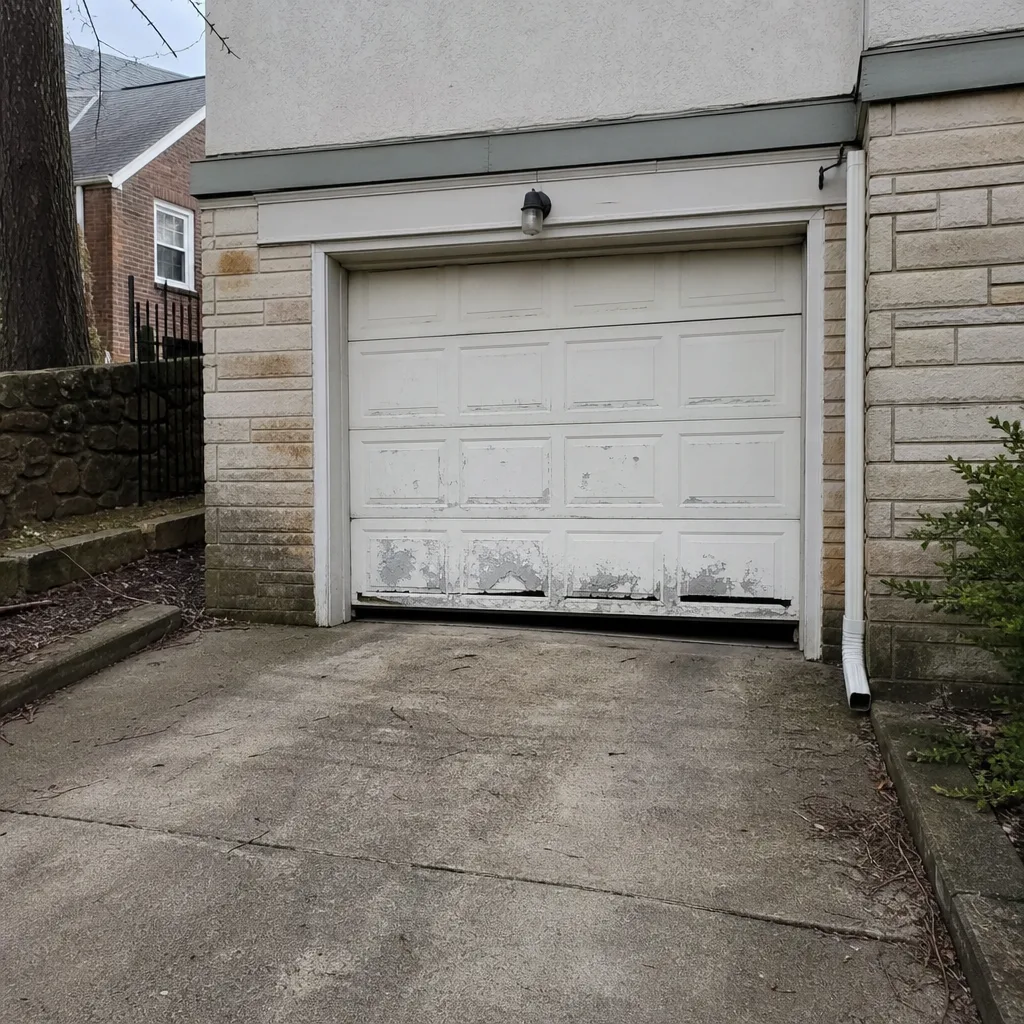 Before
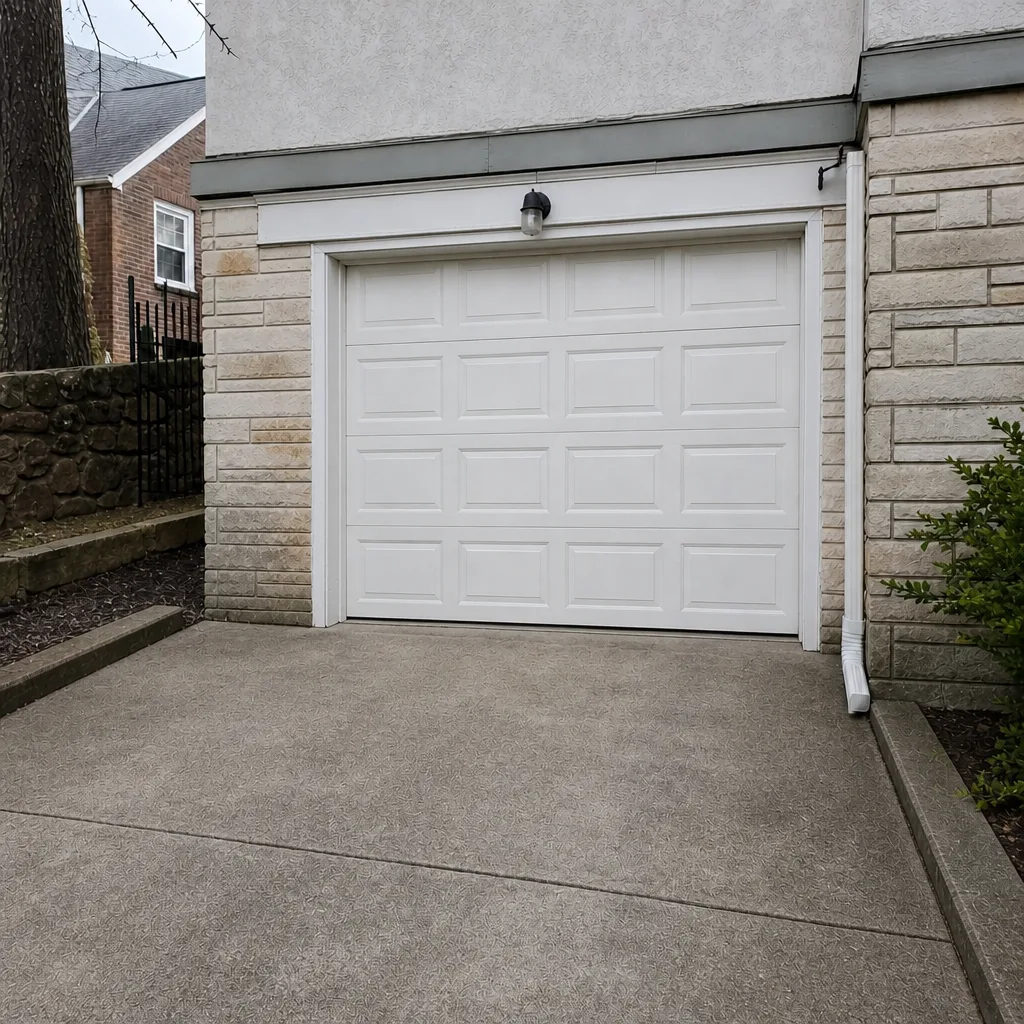 After
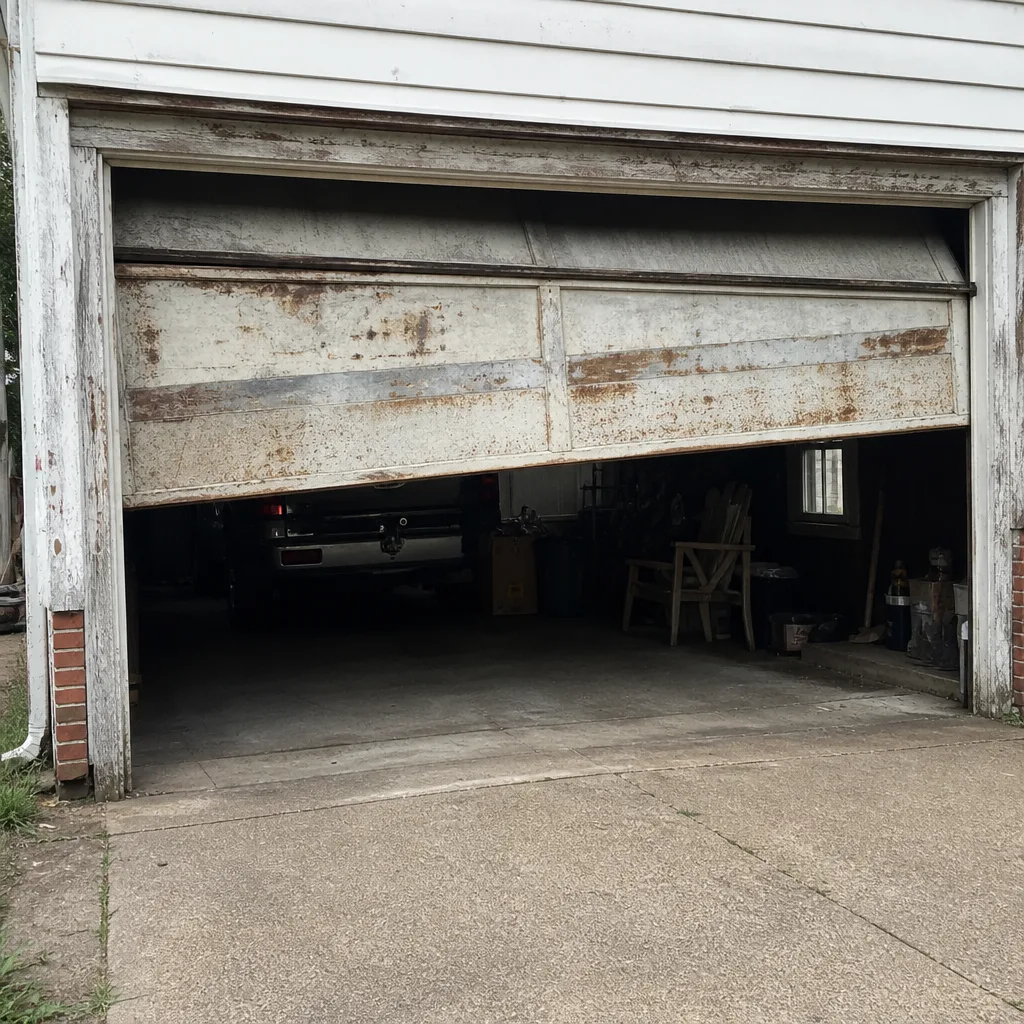 Before
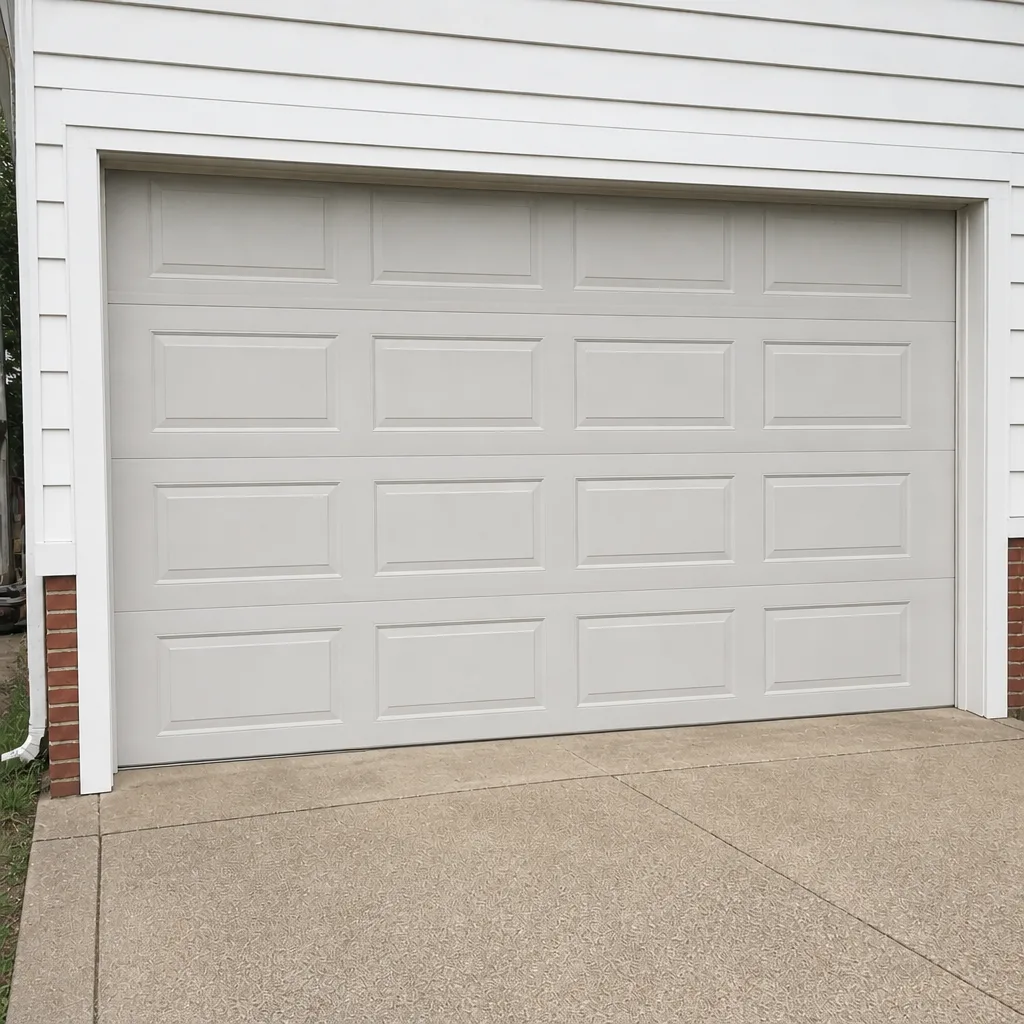 After
When to Call a Professional
Call a garage door specialist when the project involves anything structural around the opening, any new electrical work for an opener, or any spring or cable issue. Those are the cases where code, safety, and permits all overlap, and where a mistake is expensive or dangerous. Call when you’re unsure whether your replacement is a straight swap or something more, because we can measure the opening and tell you which it is. Call when an opener stops reversing, behaves erratically, or is old enough that its wiring deserves a check. And call before you order a door into a historic or conservation overlay, so the specification is right the first time. Garage Door Repair Shadyside offers free estimates in Shadyside; call (833) 345-5091 and we’ll walk you through what your project needs, permit or not.
Frequently Asked Questions
Usually not, if it’s a like-for-like replacement of the same door in the same opening. You do need one when the work changes the opening’s dimensions, modifies structural framing or a load-bearing header, or installs new electrical work for an opener. Confirm with the City of Pittsburgh’s building department for your address. Call (833) 345-5091 for a free estimate and we’ll help you sort out which category your project is in.
It can. If your property is inside a historic or conservation overlay district, exterior changes, including a garage door’s style, material, and color, may need design review even when no building permit is required. The two are separate tracks. Check your overlay status before you order a door, then call us at (833) 345-5091 to plan the installation around whatever review applies.
It can complicate coverage if a claim involves that door. Insurers may ask whether required work was permitted, and work that should have been permitted and wasn’t can become a coverage question. It also surfaces in home-sale disclosures and appraisals. Call (833) 345-5091 and we’ll explain what’s required for your project upfront, so the question never comes up later.
An inspector verifies the structural soundness of the opening, correct door and hardware installation, spring and cable safety including correct spring rating and containment, any new electrical work for the opener, and the auto-reverse and force settings on the opener. Each check maps to a real failure mode. Call (833) 345-5091 to schedule a free estimate and we’ll walk you through what your installation will involve.
You can, but it makes you the responsible party to the city for the work meeting code, and it usually slows the project down. For structural or electrical work, having the contractor pull the permit keeps the liability and the inspection coordination with the party doing the work. Call (833) 345-5091 and we’ll confirm how the permit will be handled on your project.
No. Torsion springs and cables hold enormous stored energy, and a mistake can cause severe injury. Spring repair needs the right tools and training, and there’s no safe DIY version of the job. If your door feels heavy or jerks on the way up, stop using it and call (833) 345-5091 for a free estimate.
Why Permit Status Matters More in Older Shadyside Homes
The housing stock in Shadyside runs old, and older garages have a habit of accumulating modifications that were never documented. A header that was reinforced years ago without a permit, wiring run to an opener by someone who didn’t know code, an opening that got a little wider than original. When a new project touches any of those, the paper trail matters more than it would on a newer build.
What this means in practice: before a project starts, it’s worth knowing what you’re actually working with. A door specialist who measures the opening will notice if the framing has been altered or if the header isn’t standard. That’s the moment to decide whether the permit question applies, not after the door is ordered. If the existing work was unpermitted and you’re now adding to it, the city’s review can surface that history, and it’s better to know before than to have it come up mid-project.
None of this is a reason to avoid a garage door project in Shadyside. It’s a reason to sequence the project correctly: assess, confirm, permit if needed, order, install, inspect. That order keeps the compliance side clean and the installation on schedule. Our technicians have up to 13 years of experience on Shadyside’s older homes and their older doors, and that includes knowing when a job is a straight swap and when it’s something the city will want to see.
If you’re planning a replacement and you’d like a straight answer about whether your project needs a permit, call (833) 345-5091. Free estimates, and an honest read on what your door and opening actually need.
The Bottom Line
Most garage door replacements in Shadyside don’t need a permit, but the ones that do are exactly the projects where skipping it costs the most. Structural changes to the opening, new electrical work for an opener, and any work in a historic or conservation overlay are the cases to watch. A permit creates a record that protects you at claim time, at resale, and at refinance, and it’s a modest line item next to the downside of skipping it. Sequence the project right: confirm the scope, check the overlay, pull the permit in the contractor’s name where required, and keep the inspection paperwork. That’s the whole game. If you’re unsure which side of the line your project sits on, call us and we’ll tell you straight.
Ready to get a straight answer on your project? Call Garage Door Repair Shadyside at (833) 345-5091 for a free estimate. We’ll tell you whether your installation needs a permit, walk you through the inspection if it does, and handle the work from first measurement to final sign-off.
Written by the team at Garage Door Repair Shadyside.