Last updated November 21, 2026
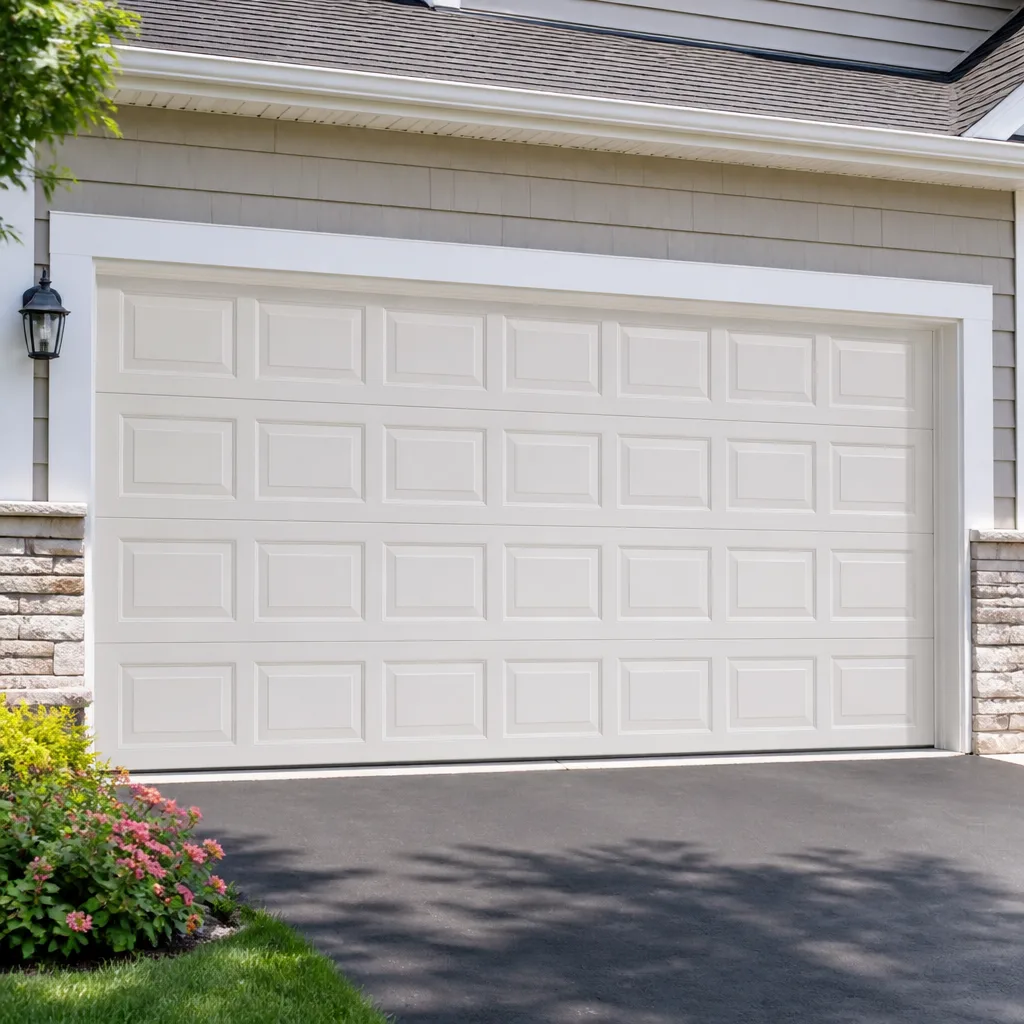 Raised-panel steel
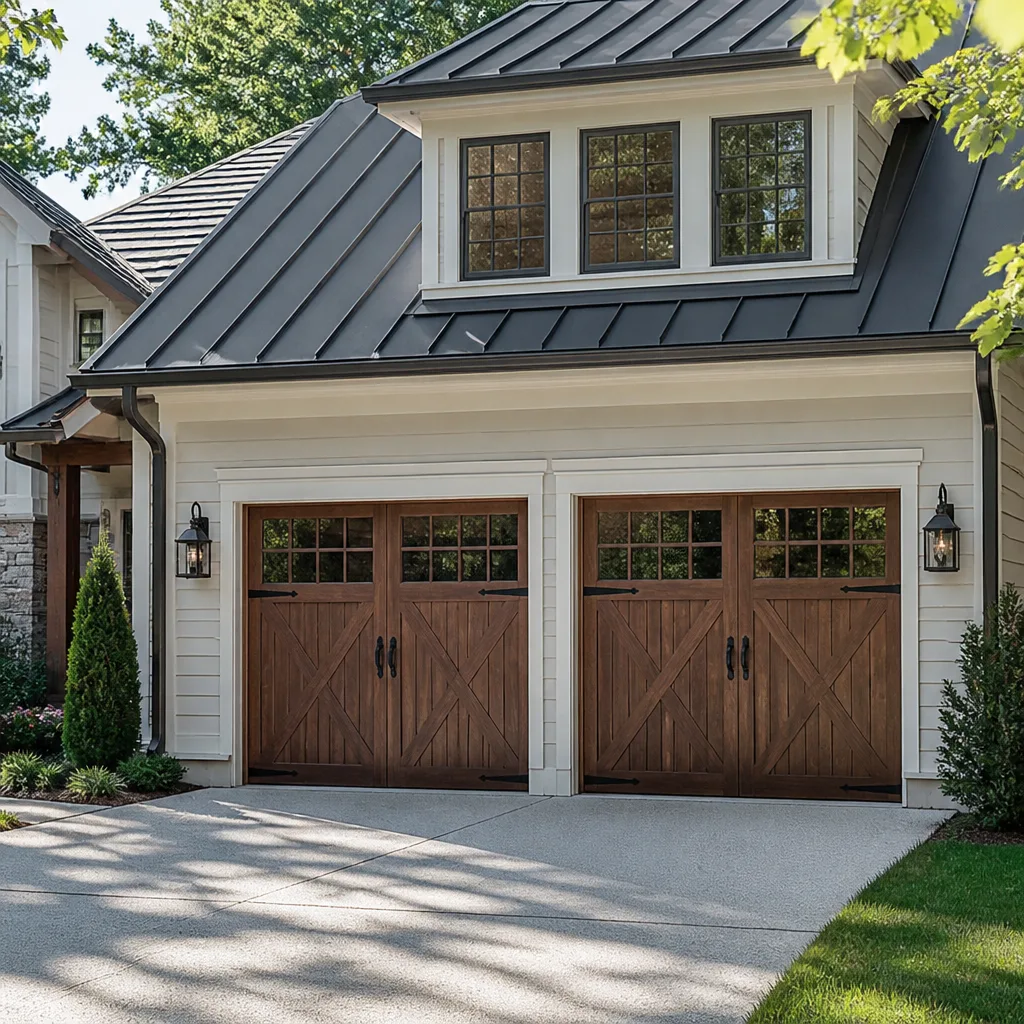 Carriage house
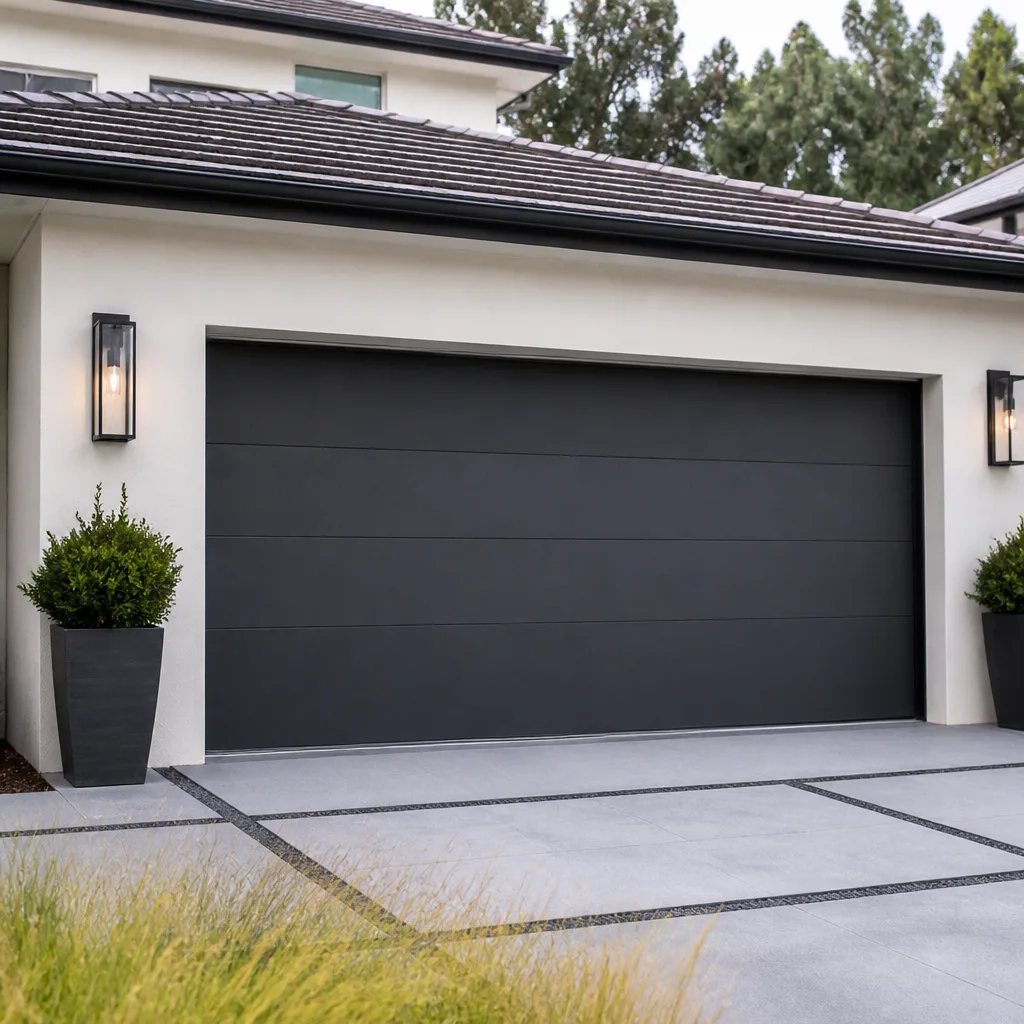 Modern flush
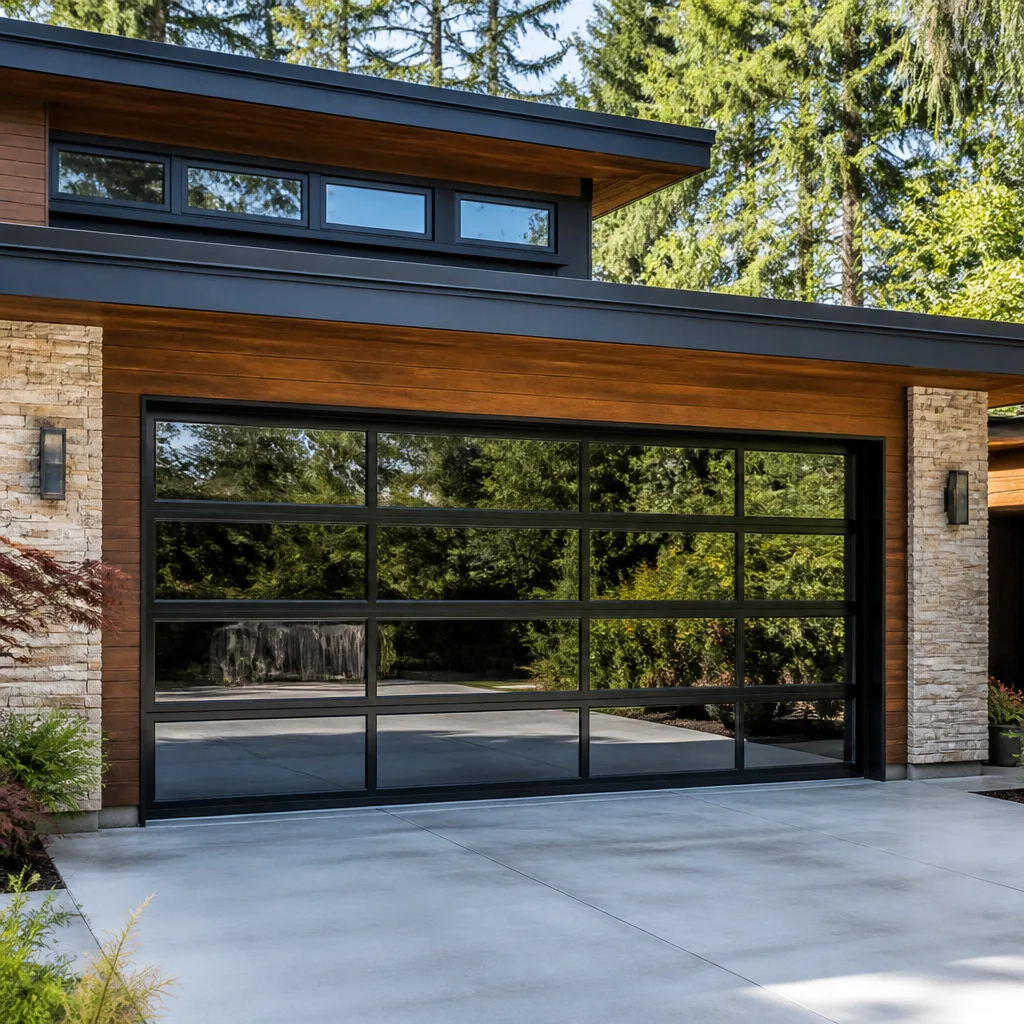 Full-view glass
 LiftMaster openers
 Chamberlain openers
Full 25-point door and opener safety check with every visit - springs, cables, rollers, tracks, and your LiftMaster or Chamberlain opener included
You get a price before we start. It does not change when the pro arrives.
Get your free estimateChoosing the Right Garage Door Brand: A Buyer’s Guide for Shadyside
The most common buyer’s regret in garage door replacement isn’t the brand chosen. It’s discovering after installation that nobody within a reasonable drive stocks replacement panels for it. A garage door is a fifteen-to-twenty-five-year purchase, and the part that fails first is rarely the one the brochure talks about. In Shadyside, where narrow lots, mature trees, and a mix of 1920s carriage houses and newer infill sit side by side, the fit between a door, its frame, and its service chain matters more than the logo on the box. This guide walks through what actually separates Clopay from Amarr from Wayne Dalton on the specs that hold up in Pittsburgh weather, why local parts availability beats brand prestige, and how to match the right product line to a Shadyside home.
Quick Answer
For most Shadyside homes, the right garage door brand is the one whose product line fits your opening dimensions and insulation needs and has an authorized dealer or stocked parts supplier within reach. Clopay and Amarr offer the widest range of styles for historic and modern homes, Wayne Dalton is a strong fit for tighter openings and carriage-look designs, and the real differentiator long-term is whether your local service technician can source panels, springs, and hardware without special-ordering from out of state. Brand reputation matters less than service-chain density.
Styles & brands we work with
- Raised-panel steel
- Carriage house
- Modern flush
- Full-view glass
- LiftMaster openers
- Chamberlain openers
Table of Contents
- Why Brand Fit Beats Brand Prestige
- How the Major Brands Compare on Specs That Matter in Pittsburgh
- Why Local Parts Availability Drives Long-Term Cost
- Matching Brand and Product Line to Shadyside Housing
- Builder-Grade vs. Mid-Range vs. Premium Within One Brand
- What “Lifetime Warranty” Actually Covers
- How to Choose the Right Installer
- Common Mistakes to Avoid
Why Brand Fit Beats Brand Prestige
Garage door brands don’t compete on secret technology. They compete on steel gauge, insulation, hardware quality, and dealer network. A Clopay door and an Amarr door in the same product tier use comparable steel and comparable openers. Where they differ is in the specific dimensions each manufacturer offers, the finishes they can produce, and how easy it is to get parts for what you buy.
That last point is where Shadyside homeowners get burned. A door that looks beautiful on a showroom floor becomes a headache if a panel is damaged by a car bumper or a fallen branch and the replacement has to ship from a plant three states away. Panel matching is the hard part. Finishes shift slightly between production runs, so a panel made four years after your door was installed may not match the rest of the face by a shade that shows in afternoon light.
Here’s what actually decides long-term satisfaction:
- Opening dimensions. Older Shadyside garages often run under the standard eight-foot width or seven-foot height. Some brands offer custom sizing freely. Others tack on significant cost or refuse the order entirely.
- Insulation needs. An attached garage shares a wall with the house. That wall’s thermal performance matters for upstairs bedrooms in winter. An uninsulated door on an attached garage is a heat leak you pay for every month.
- Service chain. If a technician can’t source the panel, spring, or hinge that matches your door, you’re waiting weeks with a gap in the most visible face of your home.
- Finish durability. Pittsburgh’s freeze-thaw cycle, road salt tracked in on windshields, and summer humidity all stress a finish differently than a dry climate would. Paint systems matter here.
- Opener compatibility. If you’re keeping an existing LiftMaster or Genie opener, confirm the door’s weight and balance specs work with it. A heavier insulated door may overwhelm a lighter-duty opener.
The takeaway: pick the brand that fits your opening and has serviceable parts nearby. Prestige isn’t the point. Shadyside’s mix of home ages makes fit the deciding factor more often than in newer subdivisions where every garage is a standard size.
How the Major Brands Compare on Specs That Matter in Pittsburgh
Compare brands on the specs that survive a Pittsburgh winter, not the ones that photograph well. Steel gauge, insulation R-value, and finish warranty are the three that separate a door that looks good in year one from one that still looks good in year fifteen. Here’s how the leading lines stack up for a Shadyside buyer.
- Clopay. Widest product range of the majors. Carriage-house, raised-panel, flush, and full-view aluminum lines under one roof. Steel thickness typically runs from 24-gauge on builder doors up to 20- and 18-gauge on premium lines. Insulated options go from a basic polystyrene core to a full sandwich with high R-value polyurethane. Finish warranties vary by line, but the premium lines carry longer no-rust-through coverage. Best pick for a Shadyside historic home that needs a carriage aesthetic without custom fabrication.
- Amarr. Strong value in mid-range insulated doors. Comparable steel gauges to Clopay by tier, with a solid reputation for finish durability and straightforward dealer support. Good fit if you want a raised-panel or carriage-look door without the top-tier price. Panel sourcing is usually reliable through regional dealers.
- Wayne Dalton. Strong on narrower openings and on carriage-look doors with a distinct aesthetic. Their insulated lines hold up well in cold climates. Worth pricing if your Shadyside opening is tighter than standard or if you want a specific carriage profile that other brands don’t carry as a stock item.
- CHI. Well-regarded for full-view aluminum and glass doors. A good match for newer infill construction where a modern flush or full-view door complements the architecture. Steel and finish quality are competitive at the premium end.
On insulation: Pittsburgh’s swing between humid summers and hard freezes means an attached garage wall wants real R-value, not a token layer of foam. Compare R-values honestly rather than comparing marketing language. On steel gauge: lower numbers mean thicker steel, and an 18-gauge door will resist a dent that a 24-gauge door won’t. On finishes: ask specifically about the warranty against rust-through, not just against peeling paint. Those are different clauses.
Why Local Parts Availability Drives Long-Term Cost
The single most important question you can ask about a garage door brand isn’t about steel. It’s this: if a panel needs replacing in five years, who near me can get it, and how long will it take? In Shadyside, the answer turns on whether the manufacturer has authorized dealers or stocked parts suppliers in the Pittsburgh metro. A brand with no local presence is a brand whose parts live on a truck for a week.
Consider what actually fails on a garage door over a fifteen-year life:
- Springs. Torsion or extension springs cycle tens of thousands of times and will fail. Spring replacement is the most common garage door service there is, and it doesn’t require matching a finish. Any competent technician can handle it if the correct spring size is matched to the door’s weight.
- Panels. Impact damage from a car, a bicycle, or a fallen branch in a mature-tree neighborhood. Panel replacement requires the exact panel profile and finish that matches your door.
- Hinges and rollers. These are commodity parts, but the wrong size or grade wears out early.
- Openers. A separate system. If you’re keeping the existing opener, brand doesn’t lock you in, but ensuring the new door’s weight matches the opener’s rating does.
- Weather seals and bottom rubbers. Easily overlooked, critical to keeping cold air and pests out.
Only panel replacement is brand-sensitive at scale. That’s why the brand with the strongest local parts chain wins on total cost of ownership even if its sticker price is slightly higher. When we quote a panel replacement on a Shadyside door, the question we’re really answering is whether we can source the exact face this afternoon or whether the homeowner is looking at a two-week order. For major brands with genuine regional stocking, same-visit resolution is the goal, not a special favor. That’s a difference you feel the first time something goes wrong.
If your current door’s brand has no regional support, replacing the whole door may cost less over ten years than repeatedly special-ordering parts. That’s a real decision point, and it’s one a specialist should walk you through honestly rather than pushing a new door for the sale.
Matching Brand and Product Line to Shadyside Housing
Shadyside’s housing stock rewards a door that looks like it belongs. The neighborhood runs from 1920s brick carriage-style garages off the main commercial streets to compact infill construction on tight lots behind newer builds. The wrong door is the one that looks like it was installed by someone who never saw the house.
For historic and older homes:
- Carriage-style doors with raised panels, decorative hardware, and a wood-look finish suit the older architecture. Clopay and Wayne Dalton both carry strong options here. Look for realism in the carriage detail, not just the profile.
- Color. Deep greens, rich browns, and stained-wood looks tend to land better on older brick. A bright modern color can work on a modern home and look out of place here.
- Window inserts. Period-appropriate grille patterns matter. A simple raised-panel door with a row of short windows reads correctly on most of the older stock.
For newer infill and modern construction:
- Flush and full-view doors in glass and aluminum suit modern architecture. A full-view door in an older home is jarring, but on a modern build it looks intentional.
- Neutral finishes tend to work better than wood-look finishes on modern facades.
One Shadyside-specific factor: many local garages face narrow alleys or tight driveways. A door that opens and closes cleanly within a tight clearance is worth more than one that looks perfect on a showroom floor but binds against the frame on the way up. Custom sizing and careful measuring matter more in Shadyside than in a neighborhood of standard-width garages. This is where the product line within a brand, not just the brand itself, becomes the deciding factor. Understanding when you need to price a full replacement versus a [garage door repair](garage-door-repair-shadyside/) is the first decision; matching a look to the house is the second.
Builder-Grade vs. Mid-Range vs. Premium Within One Brand
Within any one brand there are usually three tiers, and the price gap between them is real. Here’s what the upgrade actually buys you in a Pittsburgh climate, so you can decide whether it’s worth the money for your specific door:
- Builder-grade. Usually a 24- to 25-gauge steel skin, an uninsulated or lightly insulated core, and a shorter warranty window. Adequate for a detached, unheated garage where appearance and insulation don’t matter much. For an attached Shadyside garage, it’s usually the wrong call.
- Mid-range. Thicker steel (often 21- to 24-gauge), a genuine polystyrene or polyurethane insulated core, a longer finish warranty, and a broader style range. This is where most Shadyside homeowners land. It handles a Pittsburgh winter without obnoxious heat loss and it resists everyday dents.
- Premium. 18- to 20-gauge steel, a full sandwich polyurethane core with the highest R-value the brand offers, decorative hardware, and top-tier finish warranties. Justified when the door is a feature of the home’s facade (a common situation on Shadyside’s older homes) or when the garage is directly under a bedroom.
The upgrade from builder to mid-range typically buys you real insulation and thicker steel, which is what survives a hard freeze, a slammed bumper, and years of temperature cycling. The upgrade from mid-range to premium buys you appearance and warranty length as much as durability. For a Shadyside home with an attached garage, mid-range is nearly always the value point. For an attached garage under living space, or a door that faces the street and contributes to curb appeal, premium is worth pricing.
When you’re comparing quotes, ask each one for the same tier on the same brand so the comparison is honest. A builder-grade Clopay quote and a premium Amarr quote aren’t the same product, and the price difference tells you nothing useful until you line up the specs.
What “Lifetime Warranty” Actually Covers
“Lifetime warranty” means something specific and narrower than the phrase suggests. In most garage door warranties, “lifetime” refers to the original purchaser and often only to a specific failure mode, typically rust-through or structural failure of a specified panel. It does not mean the door is covered for anything that goes wrong for as long as you own it.
Here’s what to actually read on the warranty sheet:
- Who’s covered. Most “lifetime” warranties are limited to the original purchaser of the door and don’t transfer to a next buyer. If you might sell within the door’s life, that clause matters.
- What failure is covered. “Lifetime against rust-through” is a real guarantee, but it usually excludes surface rust, scratches, or paint wear. Sectional coverage is common: the panel is guaranteed, the springs and hardware are often covered on a shorter schedule.
- Proration. Some warranties prorate coverage over the door’s life, so a claim in year twelve pays out a fraction of the replacement. Read the proration schedule before comparing two doors on warranty alone.
- Labor. The warranty usually covers the part, not the labor to install it, and often not the freight to ship it. That cost falls to you.
- Installation requirement. Many warranties require installation by an authorized dealer or a qualified professional to remain valid. This is where the service side of the brand decision shows up again: buying a brand that has credentialed local installers near Shadyside protects your warranty. Buying from a dealer who then subcontracts to a generalist who isn’t brand-trained can create arguments at claim time.
Ask for the warranty document itself, not a summary, and read the exclusions page first. If you’re keeping an existing opener through the door replacement, verify the opener’s manufacturer warranty terms regarding the new door’s weight and balance. An opener stressed by an overweight door is a common warranty-denial scenario.
How to Choose the Right Installer
The brand on the box is only half the purchase. The other half is who installs it, and in Shadyside that decision affects both the finish result and the warranty. A premium door installed slightly out of square will bind, wear its springs early, and sound wrong every time it moves. Here’s what to look for:
- Confirm the installer works on your brand. Brand familiarity means correct track spacing, spring sizing, and finish handling. It also means the installer knows the warranty’s installation requirements.
- Ask what happens when something fails. If the answer is “we’ll order it and come back,” ask how long that usually takes for your brand in this market. If the answer is “we’ll source it from regional stock,” you’re talking to a specialist.
- Insist on a written estimate before work starts. A quote agreed before any work begins protects you from a surprise invoice. Spec out the brand, product line, insulation tier, and opener compatibility in that document.
- Ask whether the installer handles openers and springs too. A single-trade specialist can do the door and the opener together, which matters if you’re replacing a door on a worn opener. Splitting that work between companies creates finger-pointing when something goes wrong.
- Confirm spring handling is in-house. Spring work is a safety-critical service. Ask specifically whether the installer handles it directly or subcontracts. If they subcontract, that tells you something about how they think about the risk.
If your existing opener is older or struggling, [garage door opener repair](garage-door-opener-repair-shadyside/) is often a better decision than replacing the opener alongside the door, since a working opener paired with a properly weighted door is fully covered. When it’s time to install, [garage door installation](garage-door-installation-shadyside/) done by a brand-familiar technician protects both the door and your warranty. Our technicians have up to 13 years of experience working on the major brands, which means fewer return trips for measurements and fewer surprises on installation day.
Common Mistakes to Avoid
- Buying on brand prestige alone. A well-regarded brand with no local dealer support is worse than a slightly lesser-known brand that a technician up the street can service. In Shadyside, ask about the service chain before you ask about the logo.
- Skipping the insulation question. An uninsulated door on an attached garage loses heat all winter and admits summer heat. Compare R-value on the actual product sheets, not the marketing language.
- Choosing builder-grade for an attached garage. The cheapest tier is cheap for a reason. Field data on Cincinnati-to-Pittsburgh winters shows the mid-range pays for itself in comfort and durability.
- Ignoring opening dimensions until installation day. Older Shadyside garages often run undersized. Measure first, then choose the brand that can deliver a custom fit without blowing the budget.
- Choosing a door that doesn’t match the house. A modern flush door on a 1920s brick carriage house reads wrong. A wood-look carriage door on a modern infill build reads wrong too. The product line should follow the architecture, not the other way around.
- Assuming “lifetime warranty” covers everything. It usually covers one failure mode for the original owner, excludes labor, and requires brand-trained installation to remain valid. Read the exclusions page.
- Not asking who handles the opener. Replacing a door without addressing a tired opener is a partial fix. A single-trade specialist handles both, which saves you from a return visit when the opener fails a few months later.
See the difference
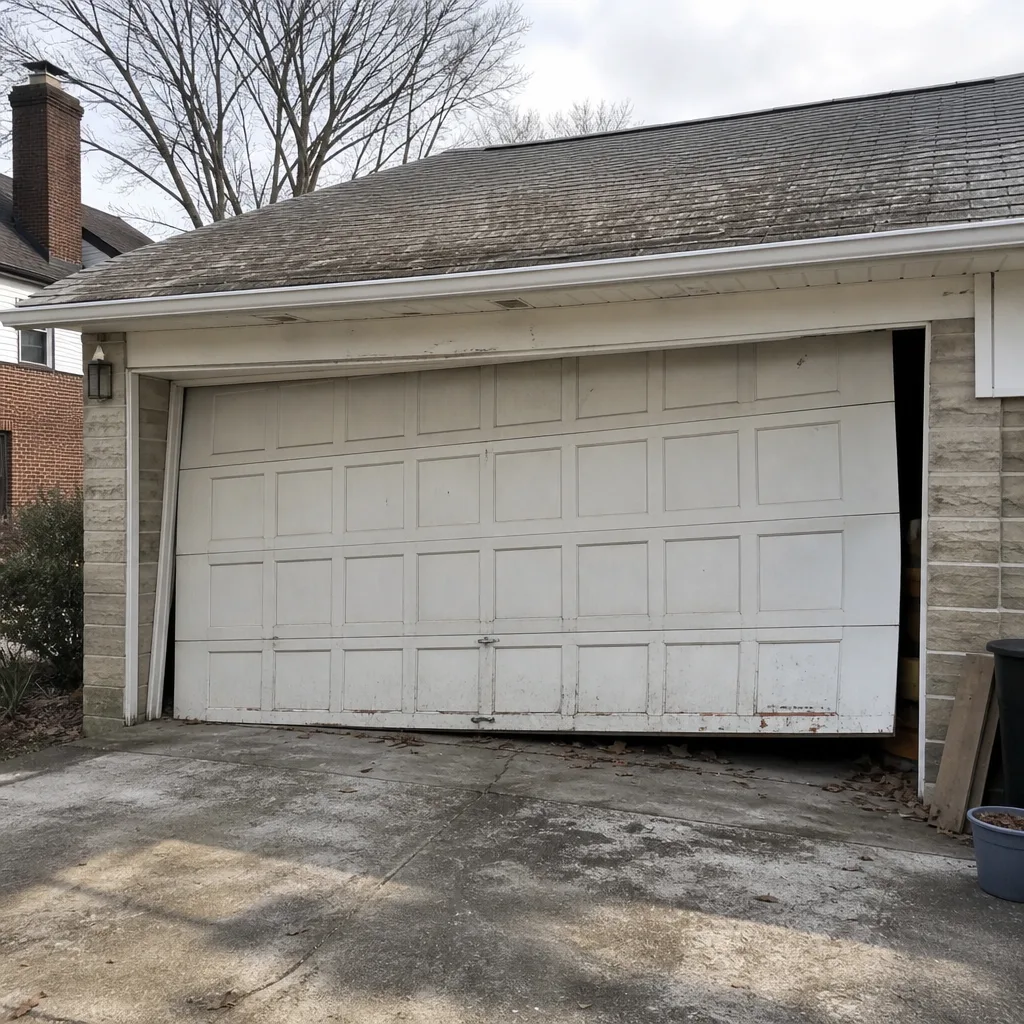 Before
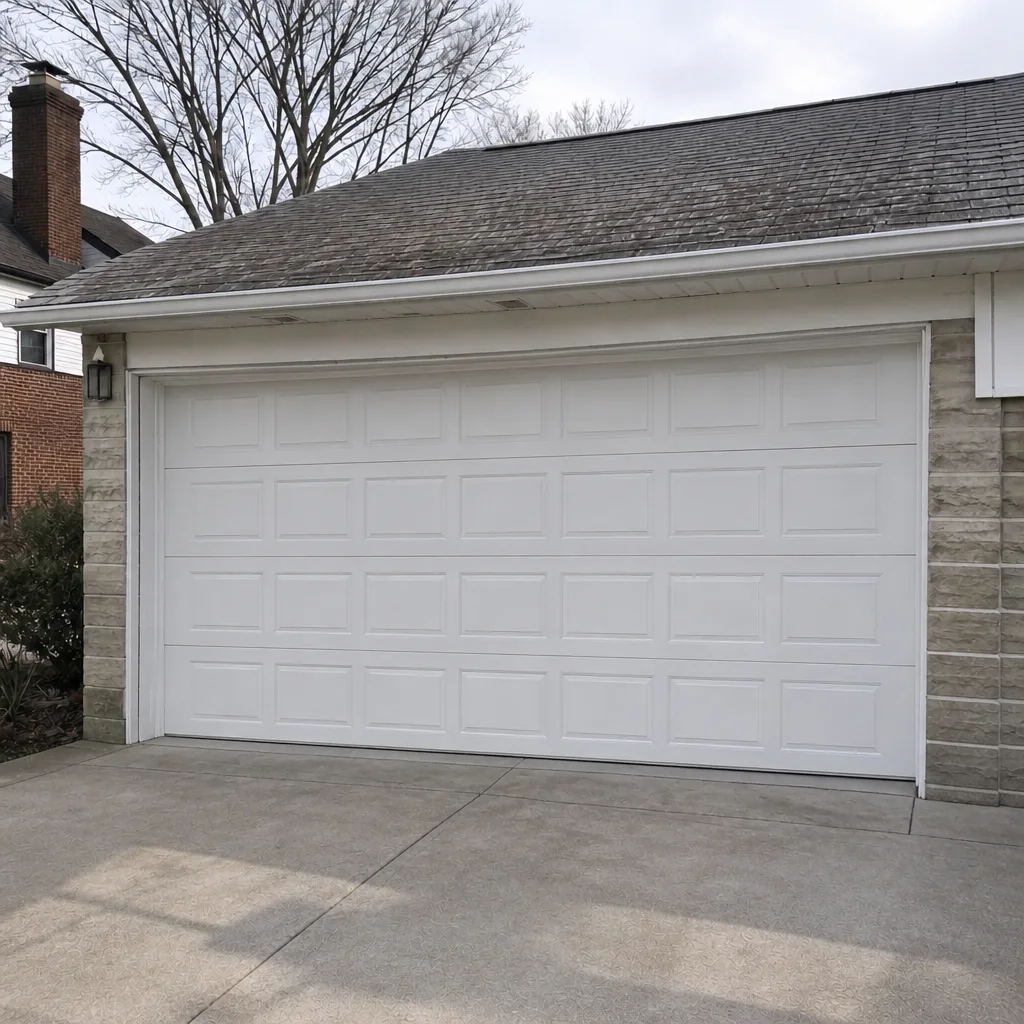 After
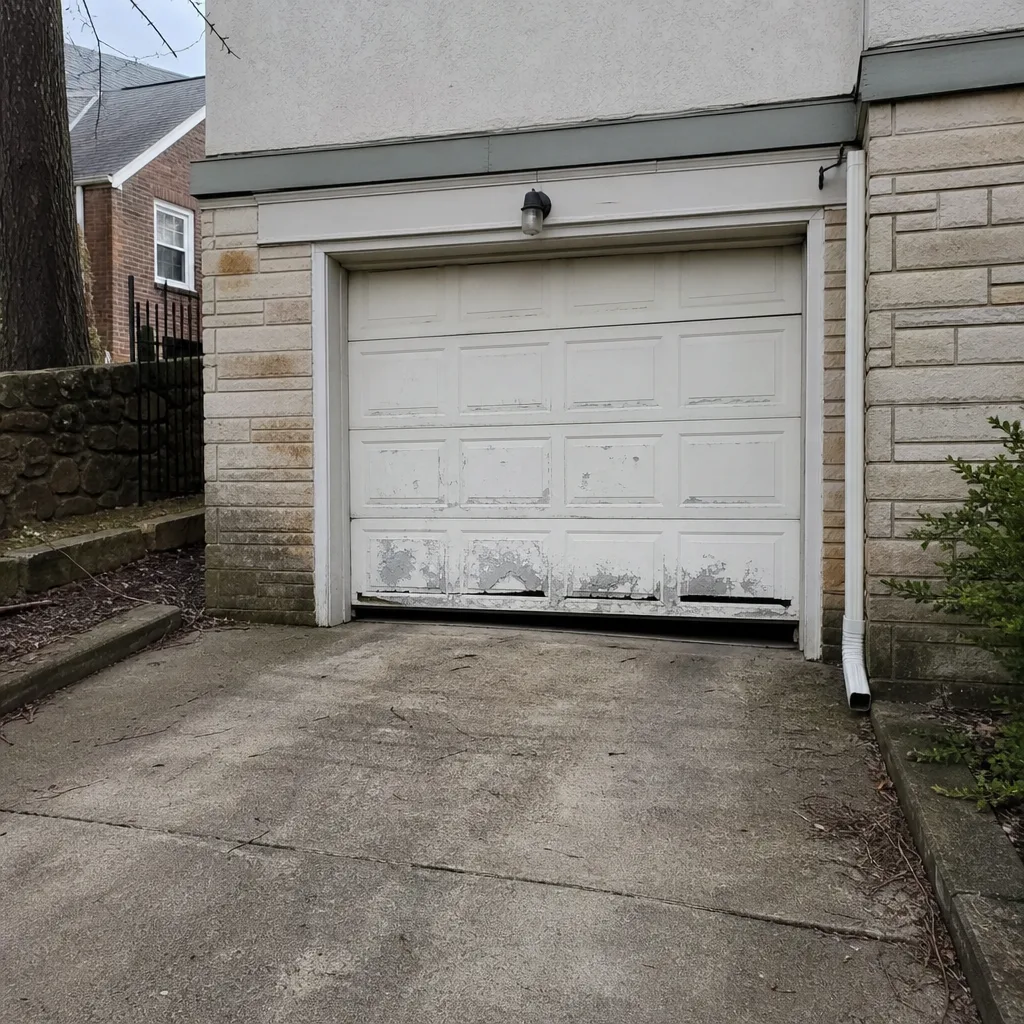 Before
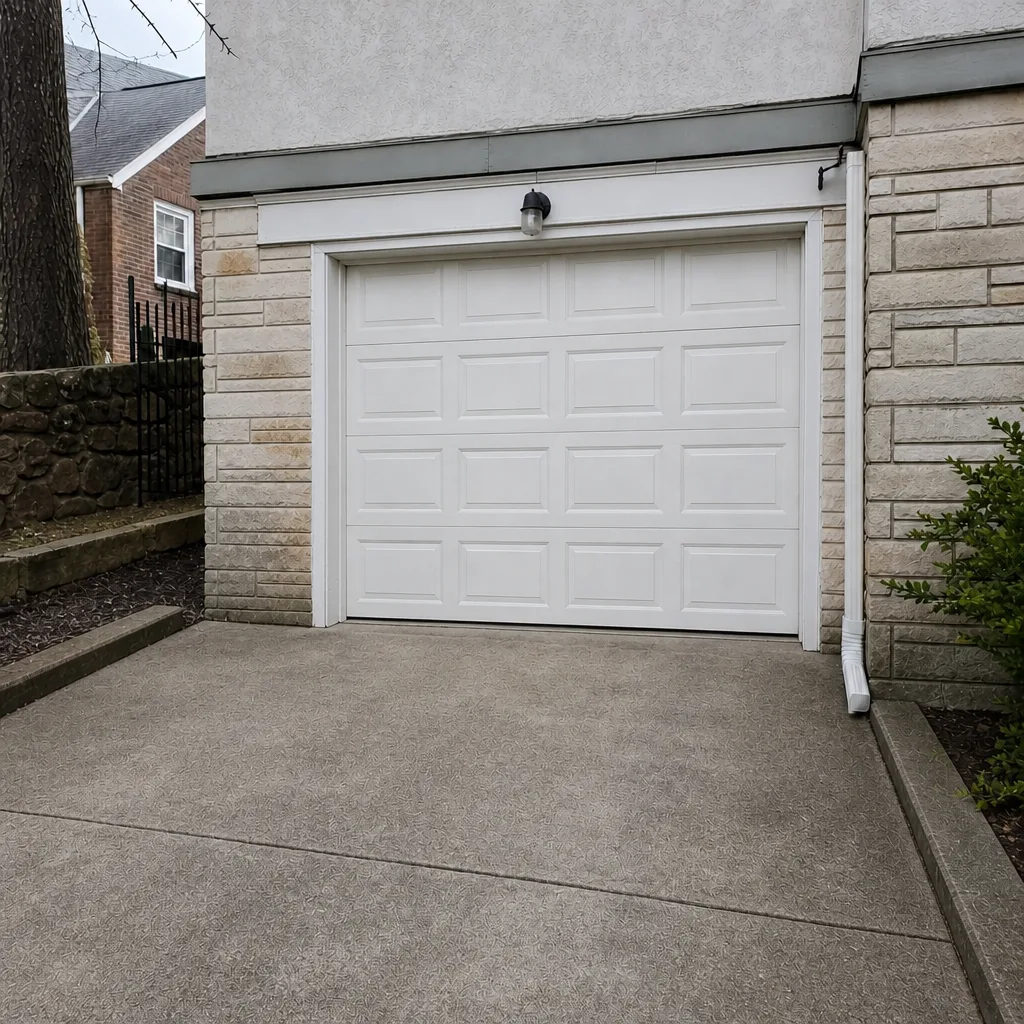 After
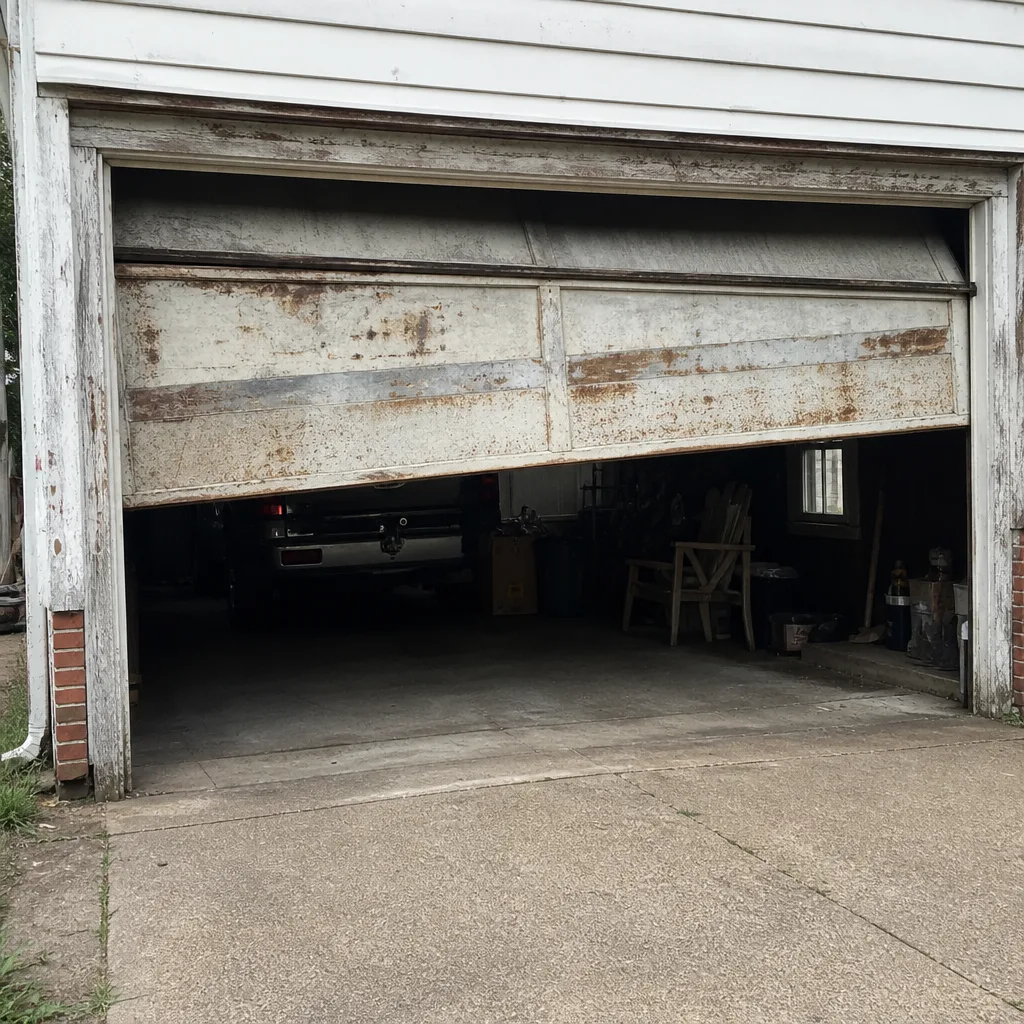 Before
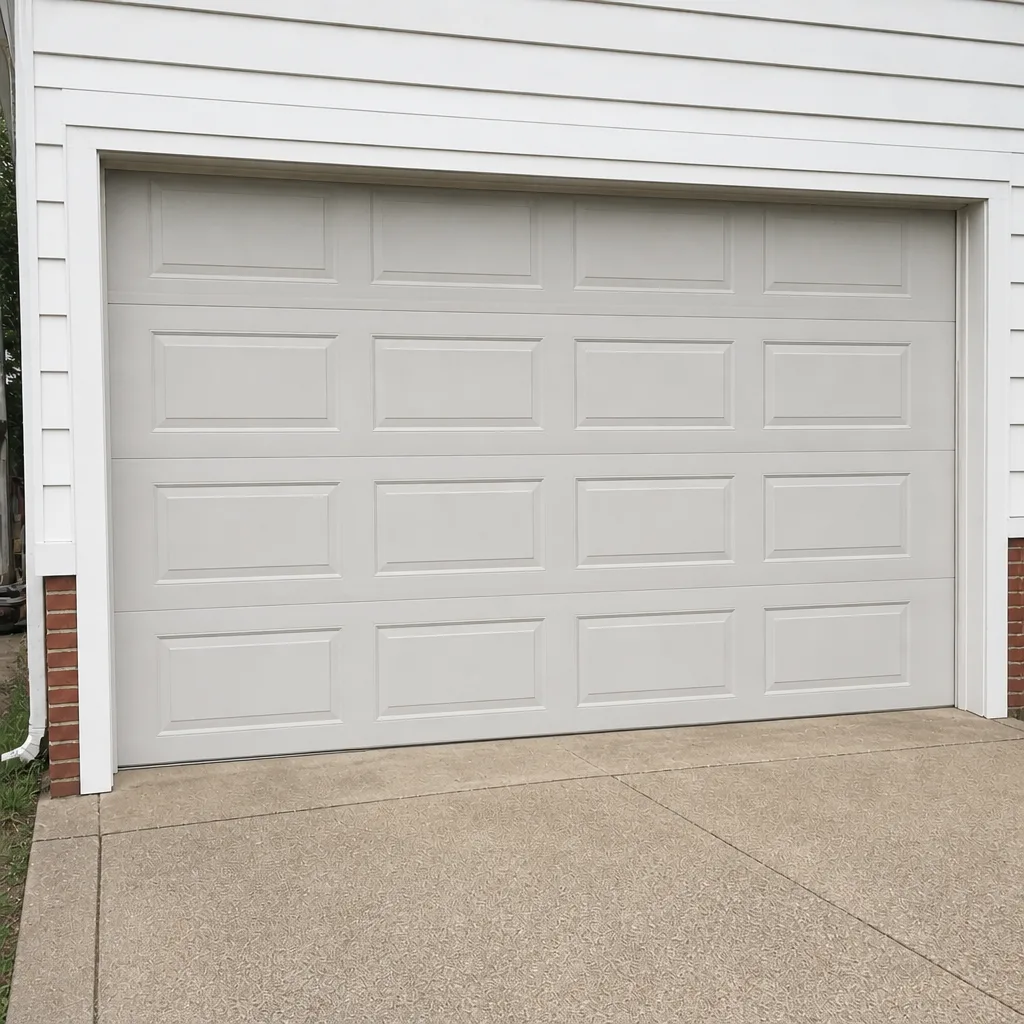 After
When to Call a Professional
Some garage door decisions are safe to make on your own. Choosing the brand is one. Installing the door is not. If you’re replacing a door, the panel install, track alignment, spring tension, and opener compatibility are all safety-critical. If a torsion spring has broken, the door is out of balance, the opener is straining to lift a door it can’t lift, or a panel is damaged and the exact replacement must be sourced, you want a specialist on site. A garage door is a hundred-plus kilos of moving steel under constant spring tension, and the part most likely to fail is the part under the highest load.
We’ve also seen plenty of cases where a homeowner is ready to replace a door that actually needs a spring replacement and an opener reset instead. An honest specialist will tell you the difference. Garage Door Repair Shadyside offers free estimates in Shadyside: call (833) 345-5091 and we’ll walk you through what’s actually failing before you commit to a new door.
Frequently Asked Questions
There’s no single best brand; the right one depends on your opening dimensions, insulation needs, and whether a local dealer can service what you buy. For most Shadyside homes, Clopay and Amarr offer the widest style range for older architecture, and Wayne Dalton is a strong fit for narrower openings and carriage looks. The brand with the strongest local parts chain usually wins on long-term cost even if its sticker price is slightly higher. Call (833) 345-5091 for a free estimate on your specific opening.
Clopay, Amarr, Wayne Dalton, and CHI are the four worth price-comparing on the specs that matter most in Pittsburgh. Clopay offers the widest range, Amarr offers strong mid-range value, Wayne Dalton covers narrower openings and distinctive carriage designs, and CHI is a fit for full-view and flush doors on modern construction. We work with all of these, so you don’t have to guess which is right for your house. Call (833) 345-5091 for a free estimate.
Brand matters less than the fit between the brand’s product line and your house, plus whether local technicians can source parts for it. A less famous brand with a strong local dealer network beats a more famous brand with no service support, especially if you’ll need panel replacement later. Compare on insulation, steel gauge, finish warranty, and local parts availability before you compare on price alone. Call (833) 345-5091 and we’ll walk you through the comparison.
Premium lines typically cost noticeably more than builder-grade, but the extra dollars buy thicker steel, a full polyurethane core, longer finish warranties, and stronger hardware. For a Shadyside attic or attached garage, the mid-range is usually the real value point; the premium tier is worth the money when the garage is under a living space or the door faces the street. Call (833) 345-5091 for a free estimate on your specific home.
Often, only partially. Most lifetime warranties cover a specific failure mode (usually rust-through) for the original purchaser, exclude labor and freight, and require installation by a brand-trained dealer to remain valid. Read the exclusions page before you rely on the coverage. Call (833) 345-5091 and we’ll tell you what your warranty actually covers for your home.
Usually yes, as long as the new door’s weight and balance requirements are within the opener’s rating. American builders routinely pair a heavier insulated door with a lighter-duty opener, and the mismatch strains the opener and can void its warranty. Have the installer verify the weight and balance before installation. Call (833) 345-5091 for a free estimate on a door replacement that works with your existing opener.
The Bottom Line
Brand selection is an engineering fit question, not a prestige question. For a Shadyside door, the deciding factors are opening dimensions, insulation needs, and local service chain, not the logo on the panel. Clopay and Amarr cover most of the neighborhood’s style range; Wayne Dalton is worth pricing for narrower openings or specific carriage looks; CHI is the pick for modern construction. Every brand is only as good as the technician who installs it and the chain that supplies parts when something fails in year five. Get the written estimate first, insist on the brand name and product line in writing, confirm spring and opener handling are in-house, and pick the installer before you pick the door. A door is a fifteen-year commitment; the service chain is what gets you through it.
Written by the team at Garage Door Repair Shadyside.