Last updated November 21, 2026
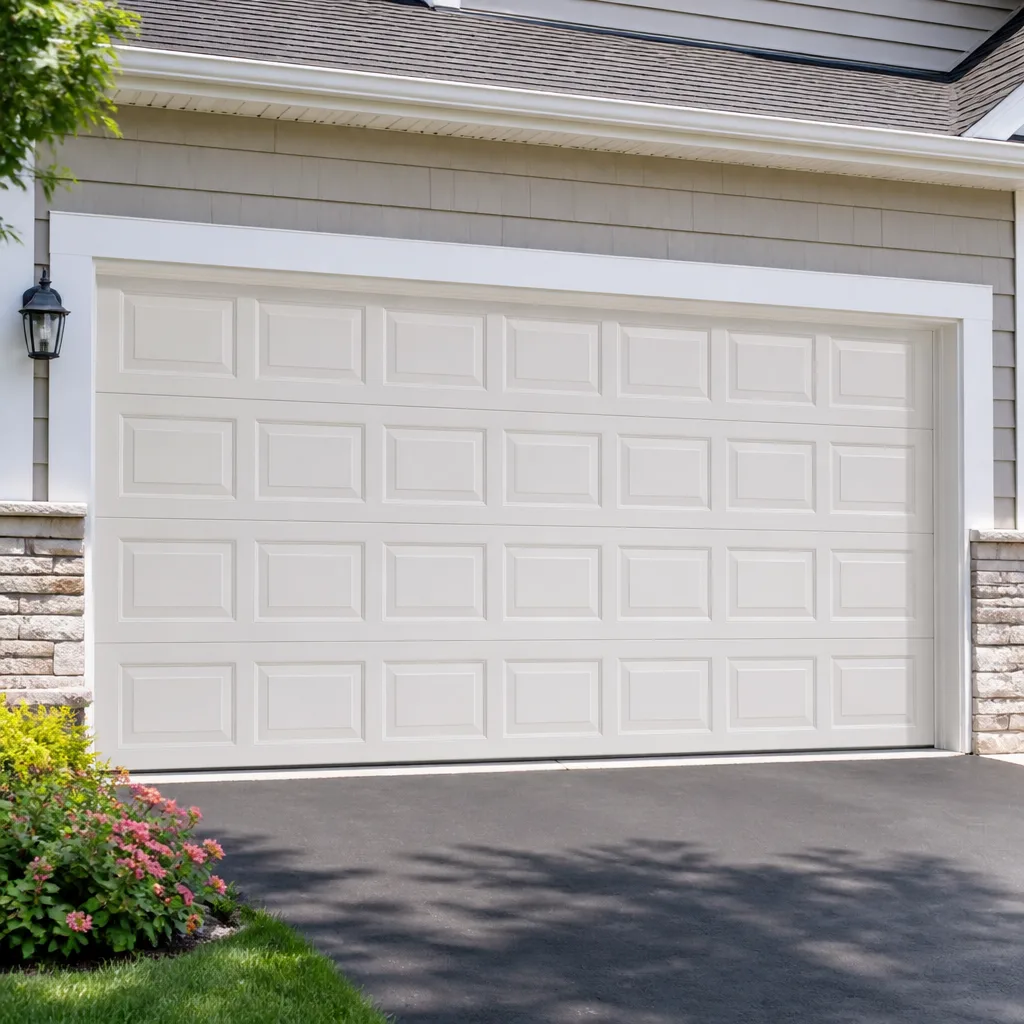 Raised-panel steel
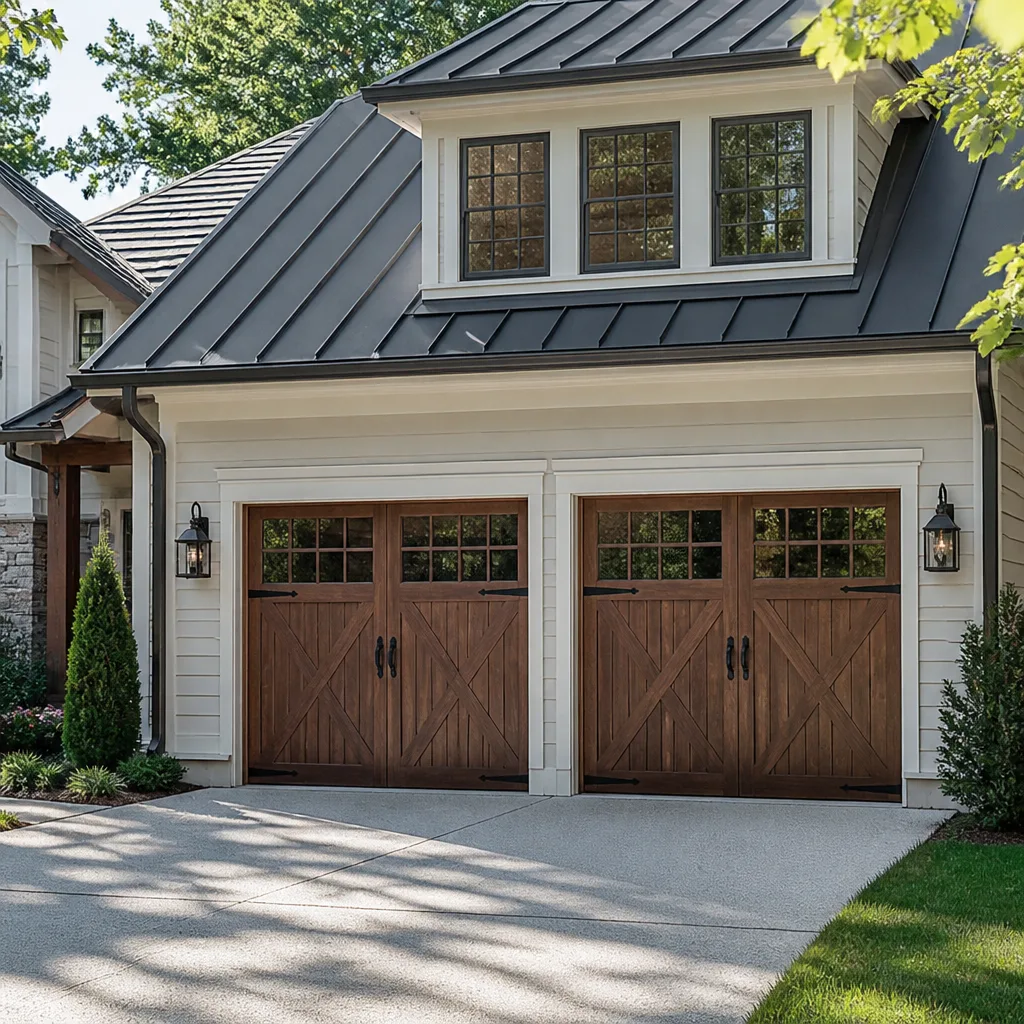 Carriage house
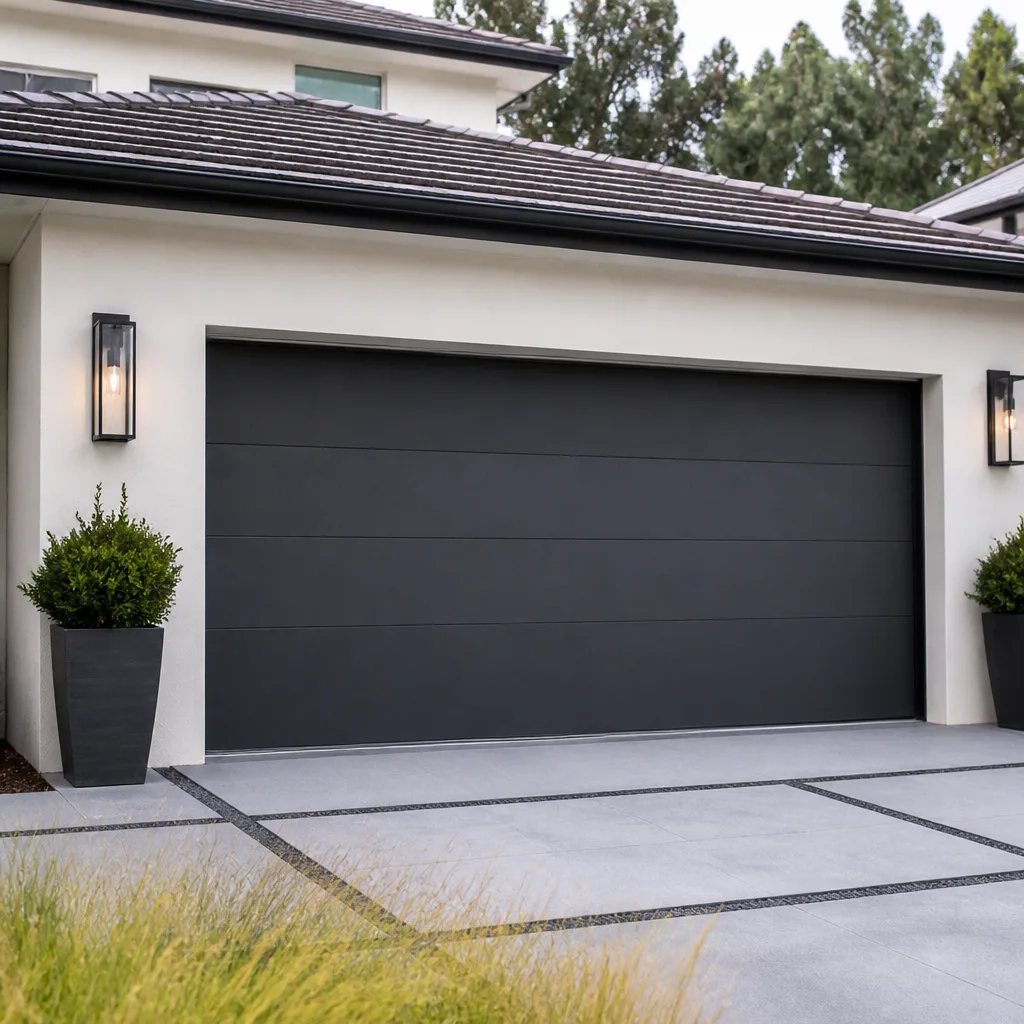 Modern flush
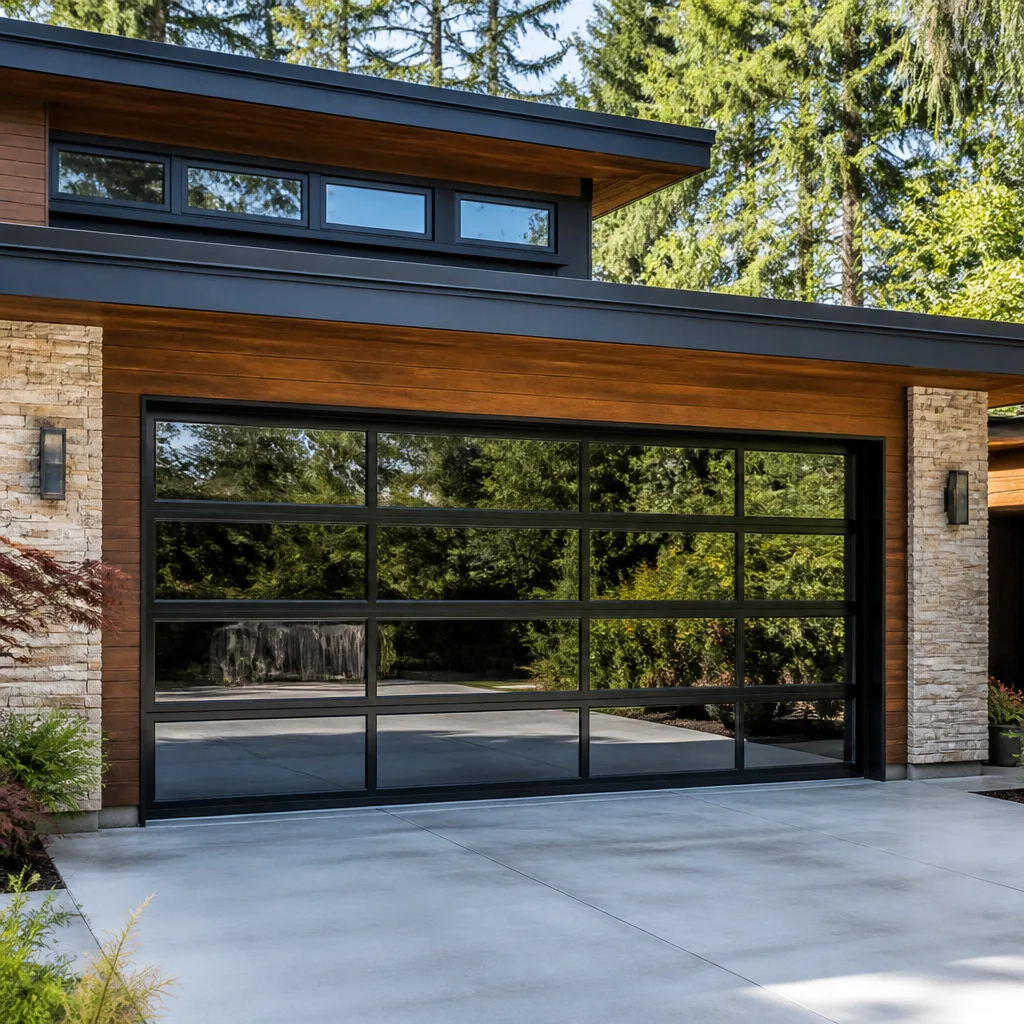 Full-view glass
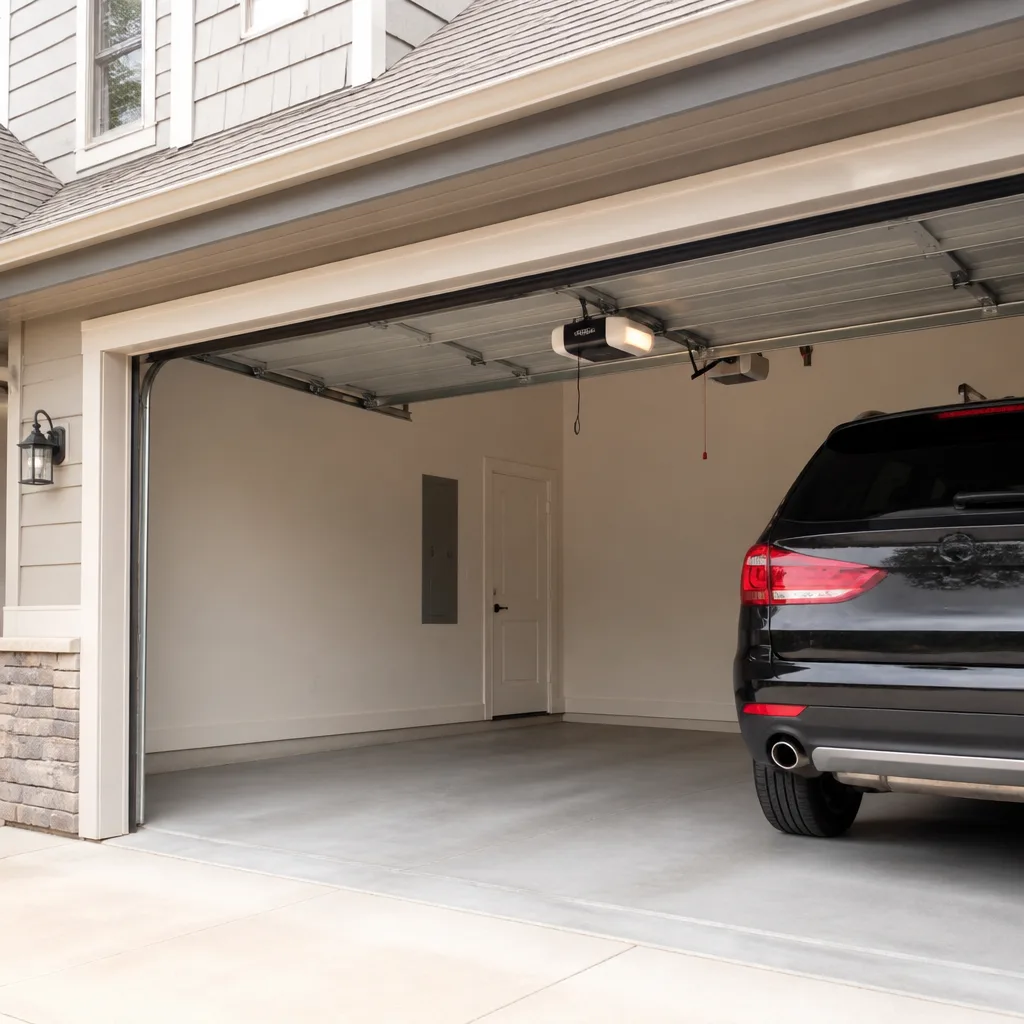 LiftMaster openers
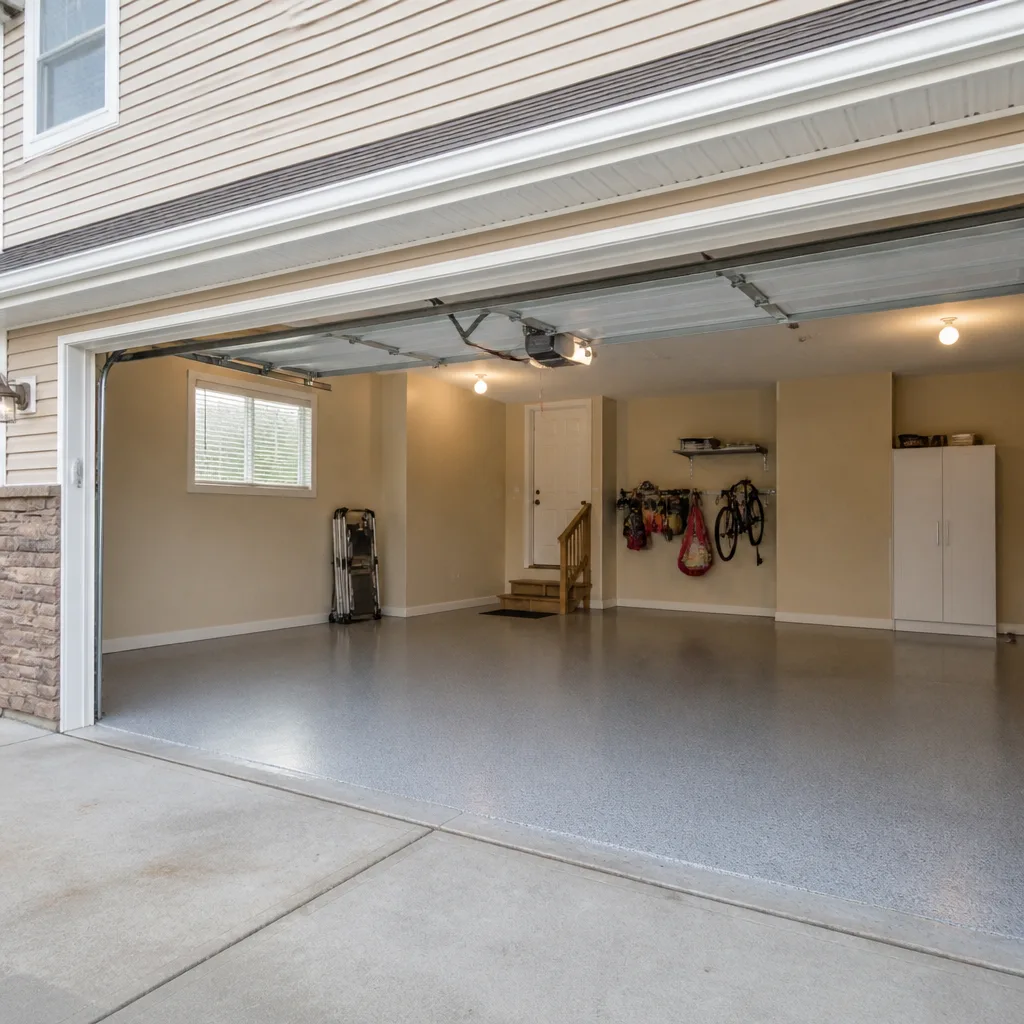 Chamberlain openers
Full 25-point door and opener safety check with every visit - springs, cables, rollers, tracks, and your LiftMaster or Chamberlain opener included
You get a price before we start. It does not change when the pro arrives.
Get your free estimateGarage Door Emergency Preparedness Guide for Shadyside Homes
When a spring snaps at 7 AM and your car is inside, you have about 20 minutes to sort out your options before the day falls apart. Most homeowners discover in that moment that they don’t know how to release their opener manually, don’t know where the emergency cord is, and can’t describe the failure to a technician in a way that gets the right parts to the house. The door is the largest moving object in your home and, for many Shadyside properties, the only vehicle access point. This guide gives you a made-ahead plan: how to release the door by hand, how to secure one that won’t close, what to tell a technician before they arrive, and how alley-access garages change the call.
Quick Answer
An emergency plan for a Shadyside garage door comes down to three skills: knowing how to pull the manual release on your specific opener, knowing how to secure a door that’s stuck open without damaging tracks, and knowing what details to give the technician so the first visit carries the right parts. Practice the release once while everything works, before you need it. A door with a snapped spring or a load-bearing failure shouldn’t be forced by hand, so once it’s released and safe, the repair is a call for a garage door repair specialist with the training and tools for spring work.
Styles & brands we work with
- Raised-panel steel
- Carriage house
- Modern flush
- Full-view glass
- LiftMaster openers
- Chamberlain openers
Table of Contents
- How do I manually release my garage door opener?
- How do I re-engage the trolley after the emergency passes?
- How do I secure a door that’s stuck open?
- What information should I have ready before calling?
- Shadyside logistics: alley-access garages and emergency calls
- What if the door partially falls or is structurally compromised?
- Why spring and cable failures are a different category
- How Shadyside weather shortens door hardware life
How do I manually release my garage door opener?
You release a standard residential opener by pulling the red emergency cord that hangs from the trolley carriage on the rail. That disengages the arm so the door moves free of the motor. The cord is on nearly every modern chain, belt, or screw drive opener, including the LiftMaster, Chamberlain, Genie, and Craftsman units we see most often in Shadyside. If your opener has no cord, there’s a slide lever on the carriage you pull toward the motor instead.
Here’s the sequence to practice once while the door is working:
- Close the door fully and confirm the opener is plugged in and the door is at rest.
- Stand clear of the door’s path and locate the red cord on the carriage, roughly at eye level along the rail.
- Pull straight down and slightly toward the door. It should click free. The door now moves by hand.
- Lift the door partway with a firm, even pull. A balanced door should rise with modest effort and hold where you let go.
- Lower it slowly. If it feels heavy, drops fast, or won’t hold, stop and don’t repeat the lift.
That last point matters. In a Shadyside home, a door that feels unusually heavy on a manual lift usually means a broken or weakened spring is taking tension off the door. The door can come down faster than you expect on a load-bearing failure, and that’s a hazard, not a nuisance. Don’t cycle a heavy door by hand to test it more than once. Note what you felt and pass it to the technician.
How do I re-engage the trolley after the emergency passes?
Re-engage the trolley by pulling the door’s lift arm back toward the opener until the carriage clicks into the rail slot, then running the opener once to confirm the latch is seated. When the emergency has passed and the door moves normally by hand, re-engagement is straightforward, but the order matters. Skip these steps and the opener can try to drive a door that’s still disconnected.
- Bring the door to the fully closed position by hand and hold it there.
- Pull the manual release cord again, or push the slide lever back toward the motor, until you feel the carriage catch.
- Lower your hand slowly. The door shouldn’t drop. If it does, the carriage isn’t seated.
- Run the opener one full cycle from the wall button. Watch the door travel all the way and reverse cleanly at the bottom.
- If it reverses immediately or the light flashes, stop and call for a check. The safety beam or travel limits may need resetting.
On belt drive and screw drive openers, the re-engagement feel is different from a chain drive. Belt units click in with almost no resistance and a screw drive takes a firm pull. If you’re not sure your carriage latched, don’t run the opener from your phone or remote. Do it from the wall button standing where you can watch the door.
How do I secure a door that’s stuck open?
To secure a door that’s stuck open, block the opening from the inside with a sturdy barricade, wedge the door panel where it won’t creep down, and don’t force the door up or down on a broken spring. A garage door that stays open in Shadyside leaves the contents visible from the alley and exposes the house to weather, so securing it gets priority over diagnosing it. Use these interim methods, chosen for the failure:
- Broken spring: Leave the door where it sits if it’s fully up. Slide a clamp or heavy block under a bottom corner only if the door is stable, and don’t lift it.
- Power failure: Release the opener by hand. If the door is heavy, close it and keep it closed; a dead battery in the opener won’t drive it, but neither will a broken spring.
- Door stuck at half: Never walk under it. Barricade the inside, then close it slowly by hand only if it’s balanced and moves evenly.
- Door won’t latch or partially closes: Chain or cable the door to a wall anchor or an interior post so it can’t be raised.
Resist the urge to run a ratchet strap or bungee across the tracks. Straps that cinch on the track can bend it, and a bent track makes the eventual repair bigger. Brace across the door and frame, not through the hardware. If you have a door with a Clopay or Wayne Dalton steel panel and the panel itself is twisted, say so when you call, because panel damage changes the parts list.
What information should I have ready before calling?
Have four details ready before you call for emergency service: door dimensions, opener brand and model, spring type, and a clear description of the failure. Getting these in hand is what separates a first-visit fix from a return trip, and for garage door opener repair it’s what makes a same-day dispatch possible.
- Door dimensions: Width and height in feet. Measure across the opening. Note whether it’s a single or double door and whether it has one panel or many.
- Opener brand and model: Check the housing for a label with the make and model. LiftMaster, Chamberlain, Genie, and Craftsman all print one. If there’s no label, note what the remote looks like and whether it’s belt, chain, or screw drive.
- Spring type: Torsion springs run horizontally above the door as a shaft with coiled springs. Extension springs run parallel to the tracks on each side. Note which you have and, if you can see it safely, the color-coded ring on the coil end, which identifies the tension. Don’t reach into the spring assembly to read it.
- Failure description: “Door won’t open, opener runs but the door doesn’t move” tells the technician the carriage or spring is the issue. “Door opens about a foot and stops” points at travel limits or a binding track. “Door slams shut and reverses” points at the safety beam or limits.
Write this down while the information is fresh. It saves the technician a walk-around and gets the right part moving on the first visit. For spring or door issues, the right next call is the door specialist at Garage Door Repair Shadyside, not a general handyman. Keep their number in your phone now, along with your Plumber and electrician, so you only make one call once the spring lets go.
Shadyside logistics: alley-access garages and emergency calls
Alley-access garages complicate emergency calls because the technician has to reach the rear of the property, not the curb, and that access can be blocked by parked cars, narrow lanes, or a locked service gate. A lot of Shadyside’s residential blocks have rear garages read from the alley, and a drive that looks clear on a map may not be clear in person. When you call, tell the dispatcher three things: which alley, which side, and whether the technician can park on the street or has to pull onto the property.
Do these prep steps before the technician arrives:
- Move any car out of the alley path so the work area is clear.
- Unlock the alley gate or service door and prop it open.
- Turn on porch or garage lighting if the visit falls after dark.
- Note whether the alley is one-way and where the entrance is, so the technician doesn’t loop.
If the garage is in a shared structure with a commonly locked gate, have the neighbor’s release or the code ready. For many Shadyside homes, the garage is the only way a car gets to the street, so the technician knowing how to get in means the repair starts on arrival, not after a phone conversation in the alley. Say “alley-access, rear of property, call when you’re at the block entrance” and the visit runs smoother. For scheduling a new unit once the emergency is over, the same access detail applies to garage door installation.
What if the door partially falls or is structurally compromised?
If a door partially falls or a panel is buckled or twisted, clear a safety perimeter and don’t make physical contact with the door until a professional checks it. Moving a fallen door by hand can drop it further or damage the tracks beyond a straightforward repair. When a door hangs at an angle, a panel is detached from a hinge, or a track is clearly bent, treat the opening as unsafe and keep people and pets away.
Sequence the calls in this order:
- Clear the area. Keep everyone out of the door’s path, including the driveway, and keep pets indoors.
- Don’t prop or pull. Resist the urge to shove the door back up. A door with a failed spring can fall further once an edge lets go.
- Note the condition. Look, don’t touch. Photograph the door from a distance for the technician.
- Call a specialist. Describe the position, the panel damage, and the track condition before asking what to do.
- Secure the opening from inside. If the door is fully down and resting safe, use a barricade or interior latch as needed.
If the door has fallen on a car or on the opener rail, don’t lift it yourself to free the vehicle. The spring assemblies and cables carry tension, and a sagging door is often a load-bearing failure with an unpredictable release. For the repair itself, a specialist who handles spring and panel work is the right call.
Why spring and cable failures are a different category
Spring and cable failures are the one garage door emergency most homeowners should never handle themselves, because the torsion spring and the cables carry tension with enough force to cause serious injury. A tensioned torsion spring or a cable drum can release suddenly if a homeowner tries to adjust it. Our technicians have up to 13 years of experience with these repairs, and the training and the tools matter here more than in any other part of the job. We handle spring repair as a core specialty, not a reluctant add-on.
What that means for you at the moment of failure:
- Never wind, unwind, or clamp a torsion spring yourself. The assembly is under tension even at rest.
- Never cut or unhook a cable. The door can twist or drop.
- Don’t use the opener to force a door with a broken spring. The opener is meant to lift a balanced door; a broken spring changes the load and can burn out the motor or bend the rail.
- Keep the door closed and locked if you can secure it safely. If it’s open, barricade the inside and call.
We work on the brand already installed in your home, which matters when the diagnosis depends on the system in front of you. Upstream of a Clopay or Amarr door, a LiftMaster or Genie opener, or the many mixed setups across Shadyside, the fix is matched to the equipment. If you’re not sure whether the problem is the spring or the opener, don’t guess. One call gets a trained eye out to look.
How Shadyside weather shortens door hardware life
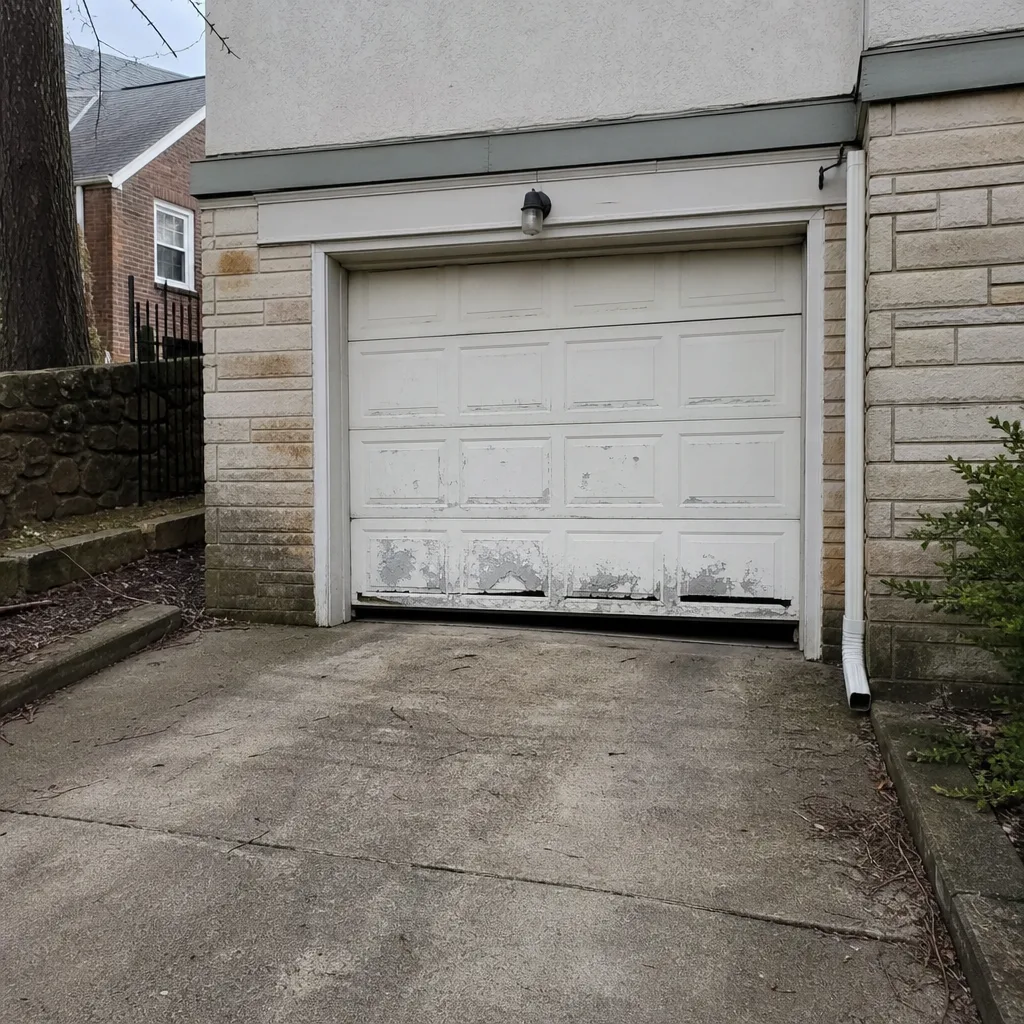
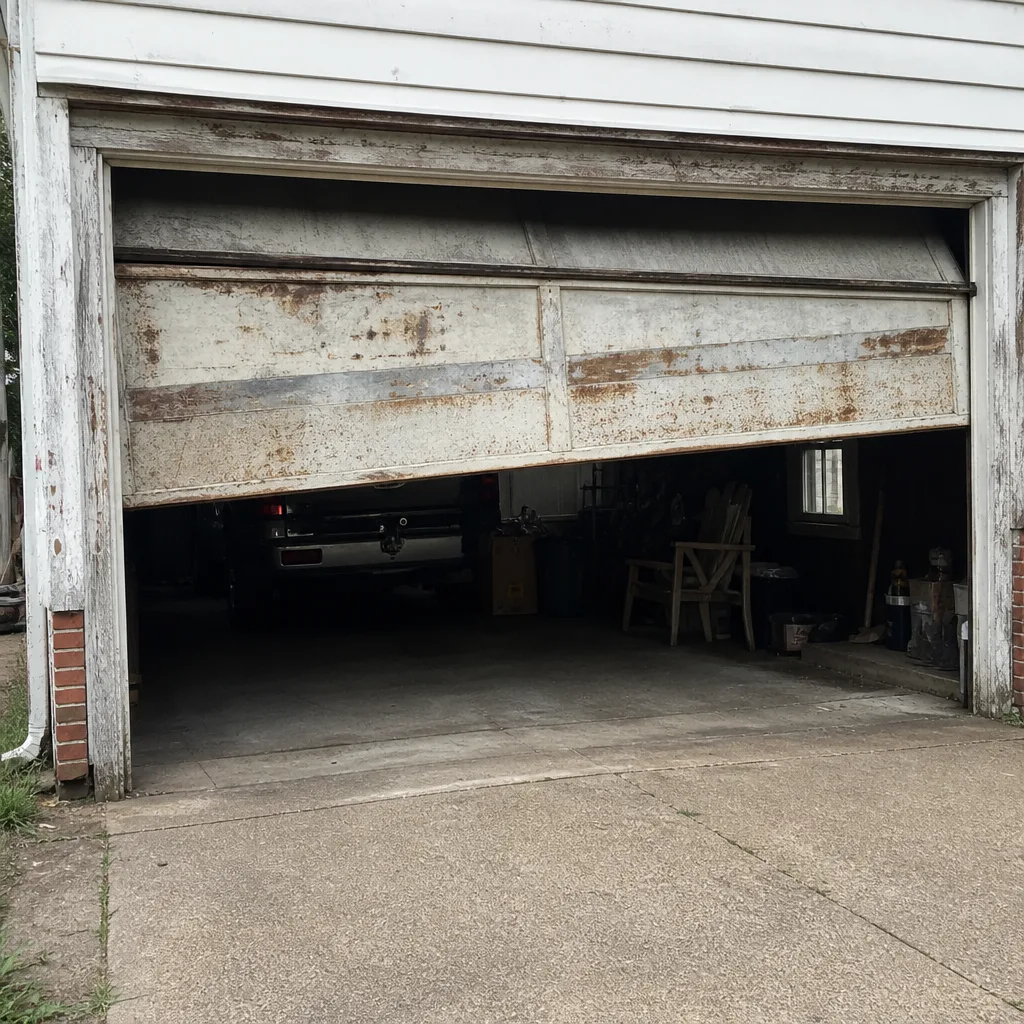
Shadyside’s four-season swings work door hardware hard. Cold snaps thicken the lubricant in the rollers and the opener carriage, and a door that ran smoothly in fall can bind at the end of a cold night. Moisture from wet, humid stretches gets into the bottom of the panel and the lower rollers, and the freeze-thaw cycle outside the garage stiffens the tracks and loosens hinges bit by bit. Weather doesn’t help steel panels either. Rust starts where paint chips, and a door that’s due for a coat has a shorter working life than one that isn’t.
These seasonal checks catch most problems before they become emergencies:
- Pull the manual release and lift the door by hand once a season. A door that feels heavy suggests the spring is weakening.
- Wipe and re-lubricate the rollers, hinges, and the opener rail, with a garage-door-rated lubricant rather than oil that dries out.
- Look at the panels for rust at the bottom edge and the lower hinges, and touch up bare spots.
- Test the safety reverse: place a roll of paper under the door’s path and run it down. It should reverse. If it doesn’t, that’s a repair.
- Watch the balance: lift the door halfway, let go, and see whether it stays put. A balanced door holds; a heavy one drops.
Older doors and worn openers are worth a look during a season check. When a system is due for replacement rather than repair, garage door installation is the next step, but spring and opener failures come first, and most of them show up in a season check before they strand a car.
Common Mistakes to Avoid
- Trying to lift the door by hand while the opener is engaged. This fights the motor and can strip the carriage or bend the rail. Pull the release first, and only when the door is at rest.
- Forcing a broken spring by driving the door with the opener. The opener can’t lift a door that lost its balance, and forcing it burns the motor or snaps a cable. Secure the door and call instead.
- Cutting or unhooking a cable to “free” the door. Cables carry tension even when the door looks parked. A cable release is dangerous and can drop the door.
- Wedging a door with a track-mounted strap or bungee. Straps tighten on the track and bend it. Brace across the opening and the door frame, not through the hardware.
- Blocking the alley or leaving the gate locked for the technician. A Shadyside rear garage is only reachable from the alley, and a blocked or locked alley turns a fast repair into a long window of wasted visits.
- Calling with a vague description. “The door doesn’t work” doesn’t tell a technician whether to bring a spring, a carriage, or an opener. Note the dimensions and the failure pattern before dialing.
- Skipping the manual release test. Homeowners who’ve never pulled the cord usually discover the problem mid-emergency. Practice once, while the door is healthy.
Every one of these mistakes adds cost and delay to a routine failure. The good news is that each has a clear answer, and none of them changes the outcome once the door is secure.
See the difference
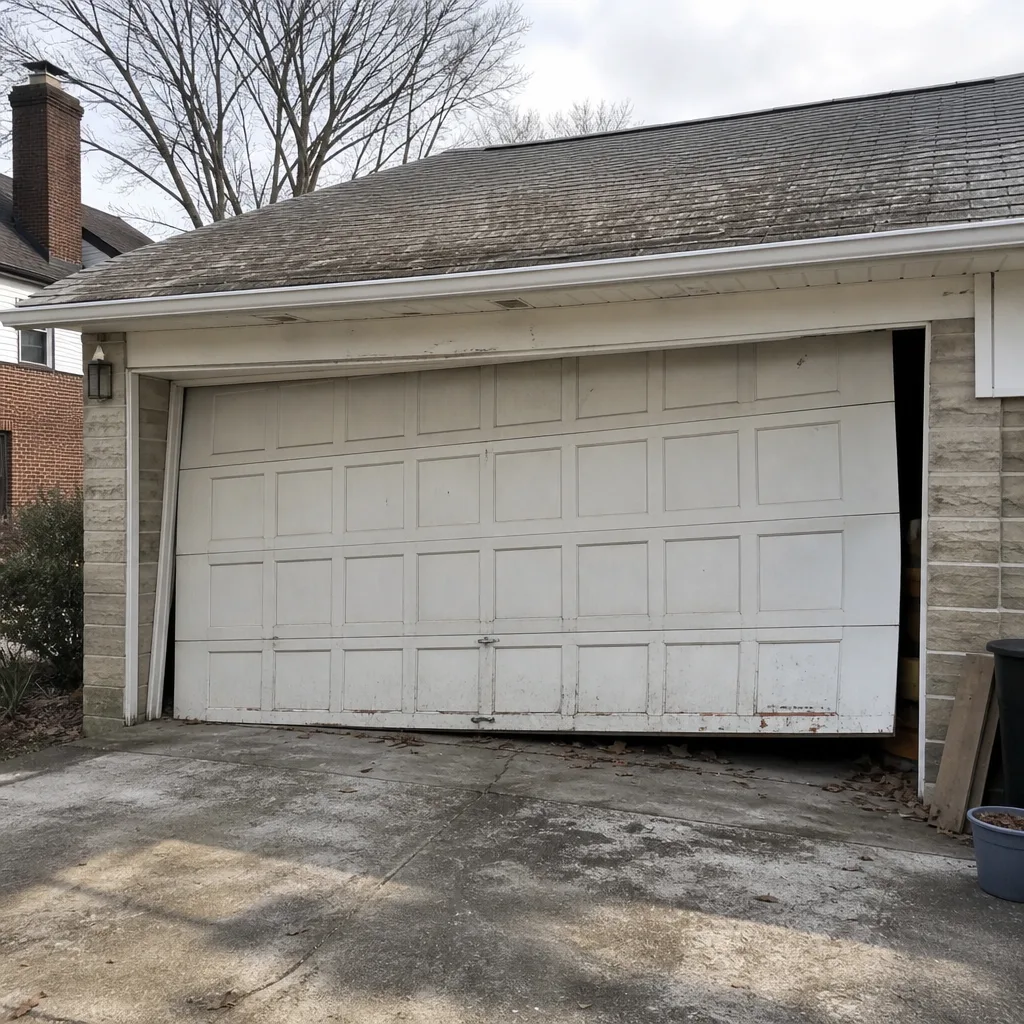 Before
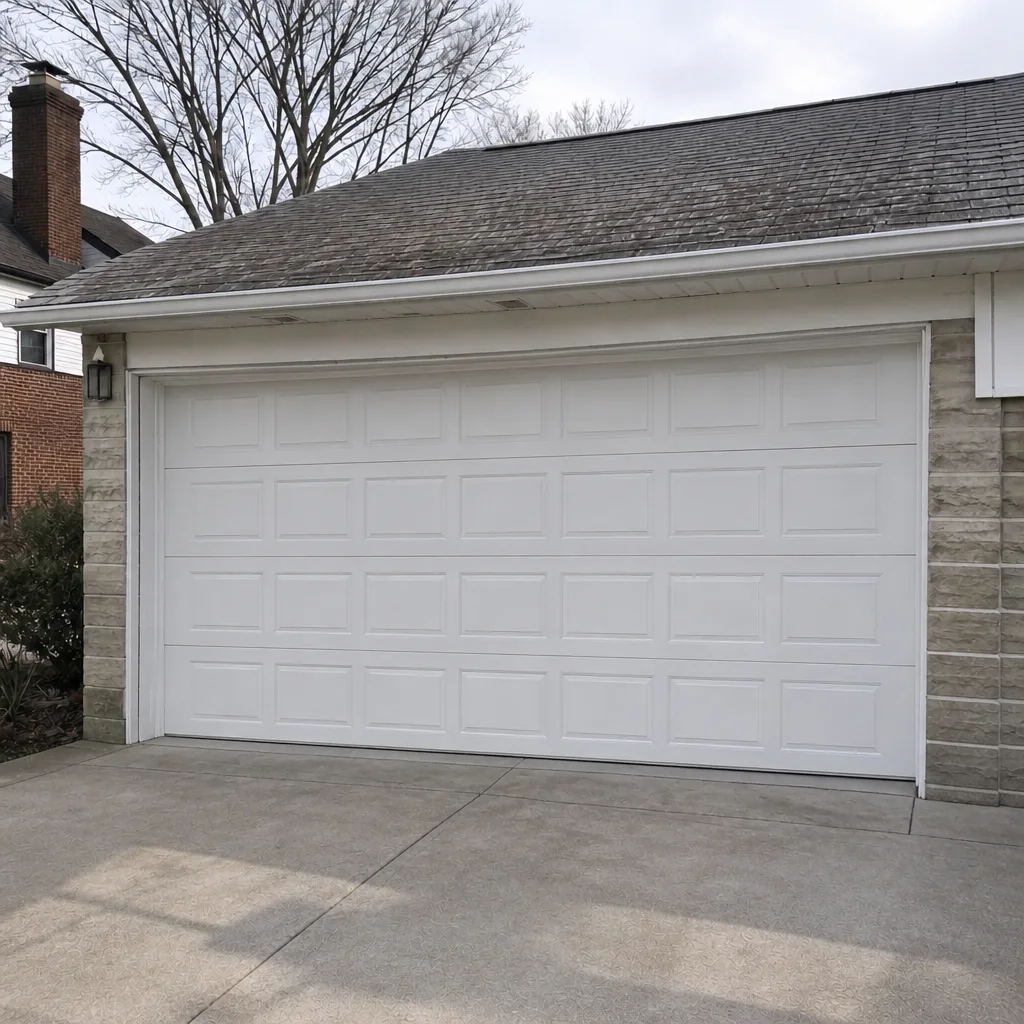 After
 Before
 After
 Before
 After
When to Call a Professional
Call a professional when the failure involves a spring or cable, when the door won’t stay closed or won’t lift safely by hand, when a panel is bent or detached, when the opener runs but the door doesn’t, or when you can’t lock or secure the opening. Those are the cases where the wrong move can hurt someone or make the repair bigger. We’re looking at a door system built to lift a vehicle-size weight with a thin spring, and balance is the whole safety load. For anything in the list above, don’t run the opener and don’t force the door. Garage Door Repair Shadyside connects you with local specialists who handle spring, opener, and panel work, and estimates are free. Call (833) 345-5091, tell us the door size, the brand, and what you’re seeing, and we’ll help you figure out the fastest route to a working door.
Frequently Asked Questions
Spring repair in Shadyside typically runs somewhere in the offered estimate range, and the written quote sets the final price. A single spring is one repair; a matched pair replaced together costs about twice the single-spring figure. Prices depend on the door’s size and weight, the spring type, and the access, and the written estimate is the price, so nothing starts until the quote is agreed. Call (833) 345-5091 for an exact quote. Estimates are free.
Same-day help is often possible for emergency repair like a stuck open door, with dispatch running from 7am to 7pm. Tell us the door size, the opener brand, and whether the alley is accessible. That gets the right technician and the right parts moving. Call (833) 345-5091 and we’ll book the fastest available window.
You can tell which one failed by watching what moves. If the opener motor hums or runs but the door doesn’t move, check the release carriage first. If the door moves heavily by hand and no motor is involved, the spring is the likely failure. A snapped spring often leaves a visible gap in the coil or a straight, uncoiled section on one side. If the door reacts normally to the button but stumbles mid-travel, that points at travel limits or a binding track. Don’t test a heavy door repeatedly, and call a technician to confirm.
The price is quoted and agreed before any work starts, so you’ll know the number before the repair begins. A technician measures the door and confirms the spring or opener type on site. The written estimate locks the number in, and the repair proceeds at that figure. Call (833) 345-5091 for a free estimate.
The local professionals we connect you with are licensed and insured as their state requires, and they work only on garage doors, so the tools and training match the job. Spring repair, in particular, is handled by technicians with the specific training and tools for loaded hardware. Call (833) 345-5091 to have a specialist look at your door.
Keep people clear of the door’s path, then secure the opening from inside with a barricade and stop the door from moving. Don’t force it by hand with the opener engaged, and don’t reach into the spring assembly. Pull the manual release only if the door is stable and you can stand clear, and in Shadyside alley-access cases, make sure the rear path and gate are clear for the technician. Then call (833) 345-5091.
The Bottom Line
A garage door emergency in Shadyside is a logistics problem and a safety problem in the same moment. The plan that solves it has three parts: know where the manual release is and how to re-engage the trolley, secure a stuck door from inside without touching the loaded hardware, and call with the door size, opener brand, and failure description so the first visit carries the answer. Springs and cables are the one category to leave alone. Our technicians have up to 13 years of experience with spring and opener failures across the major brands, and we handle repair, opener work, installation, parts, and spring repair in-house. When the door fails, don’t improvise. Call (833) 345-5091 for a free estimate.
Written by the team at Garage Door Repair Shadyside.