Last updated November 21, 2026
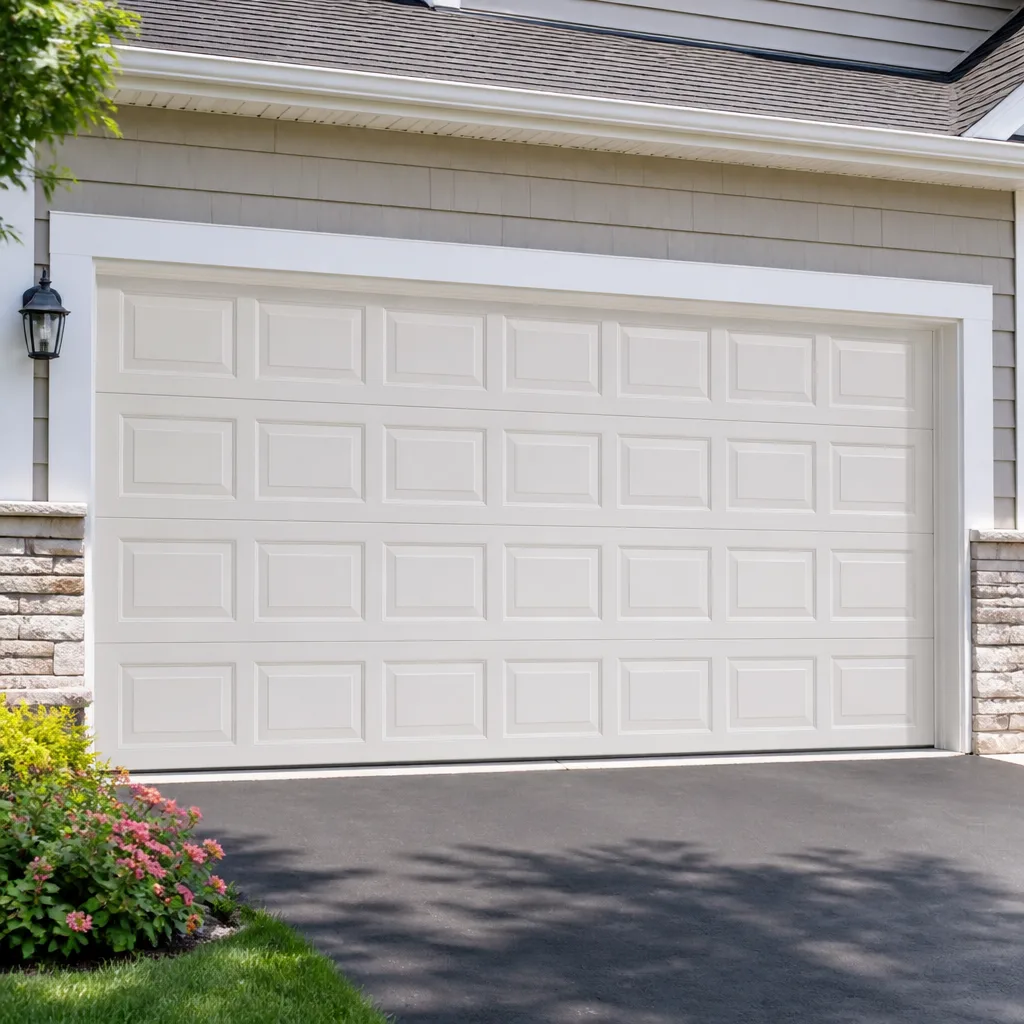 Raised-panel steel
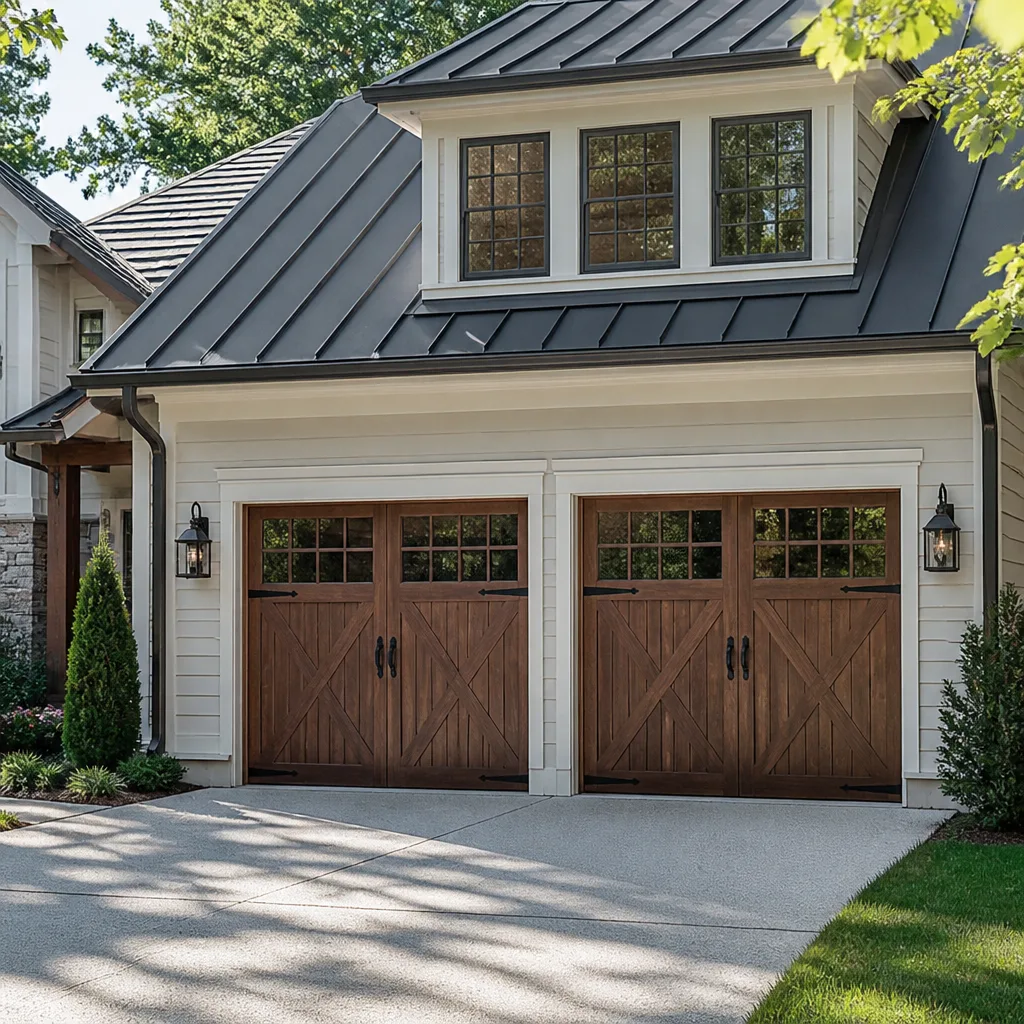 Carriage house
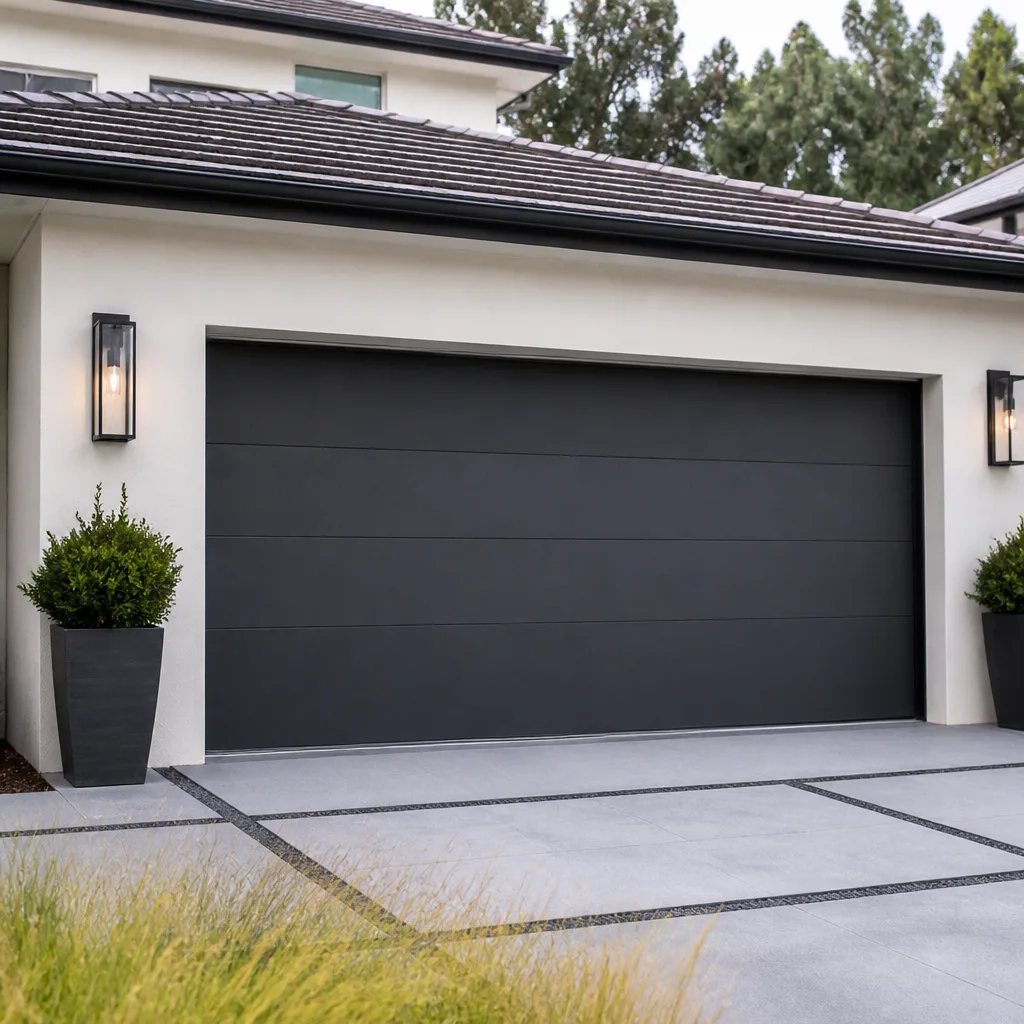 Modern flush
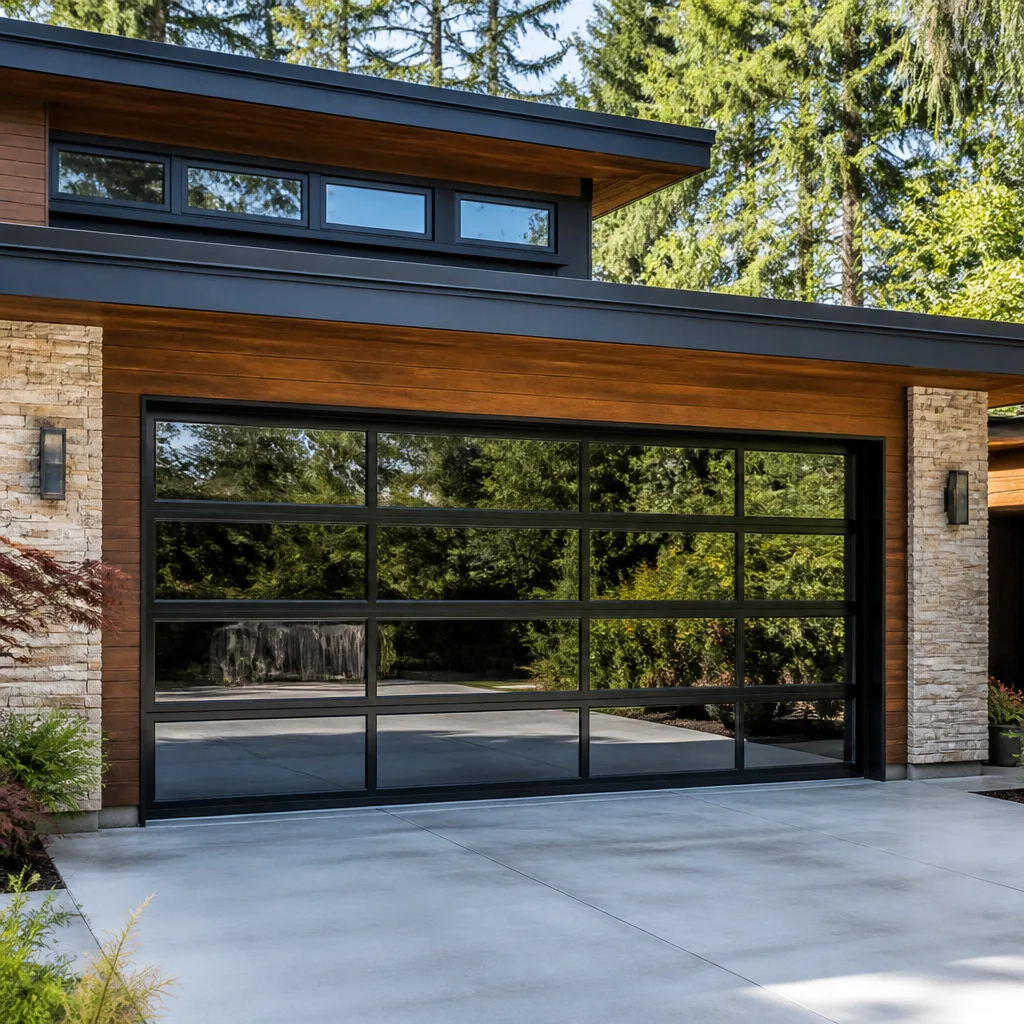 Full-view glass
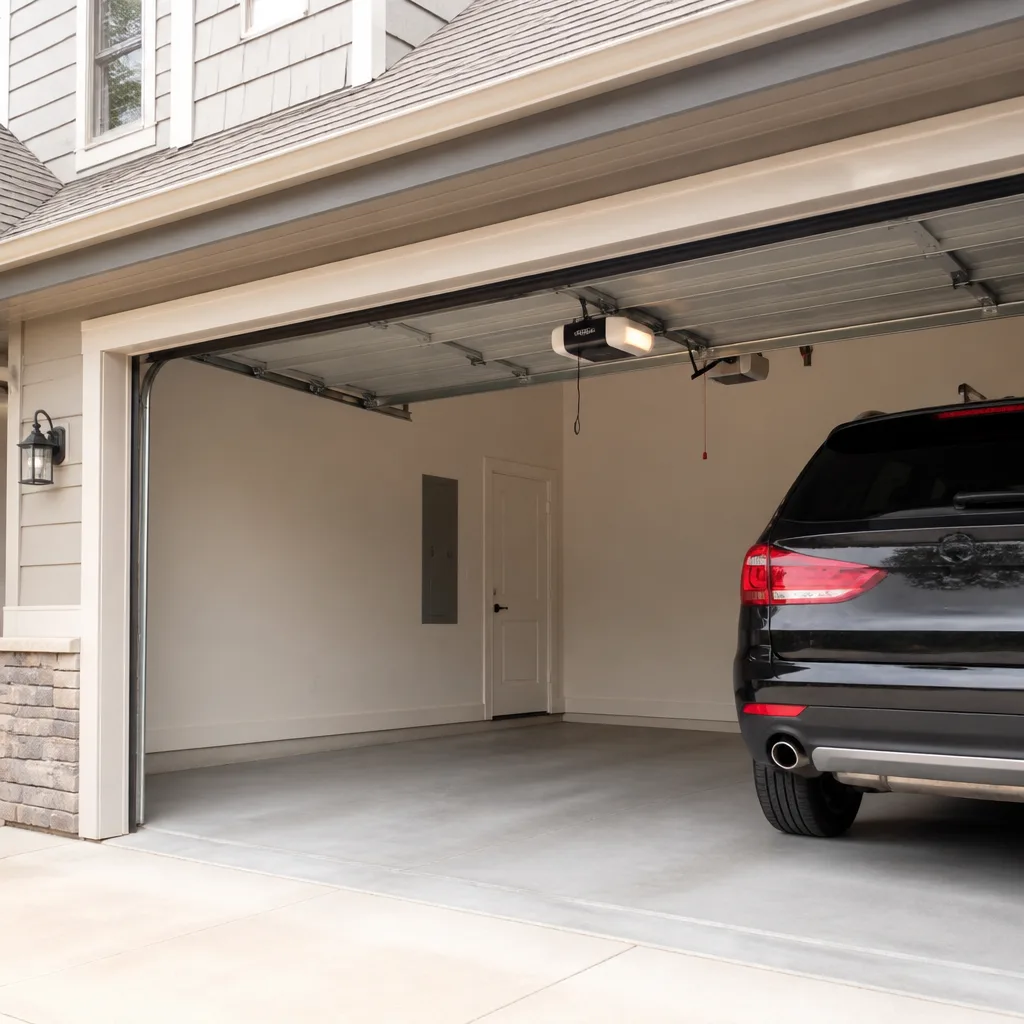 LiftMaster openers
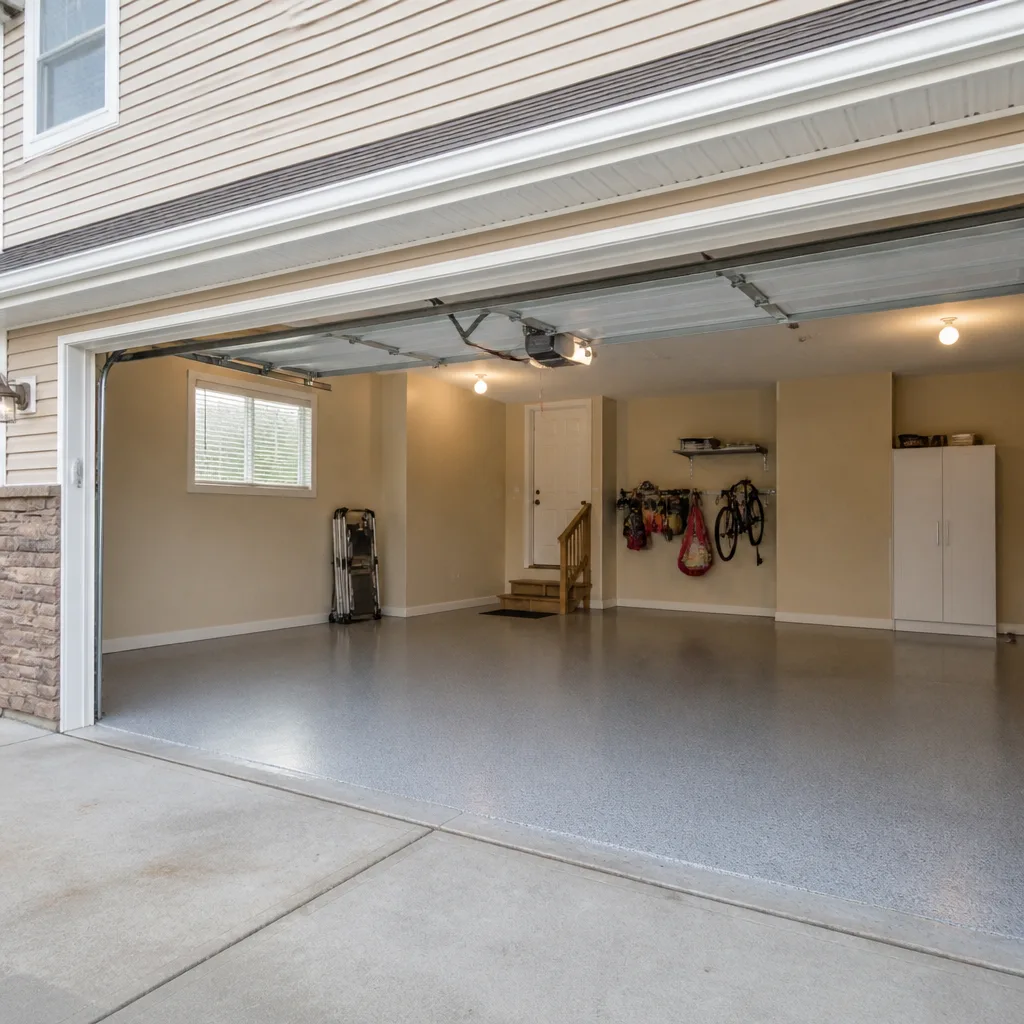 Chamberlain openers
Full 25-point door and opener safety check with every visit - springs, cables, rollers, tracks, and your LiftMaster or Chamberlain opener included
You get a price before we start. It does not change when the pro arrives.
Get your free estimateSeasonal Garage Door Care for Shadyside: Year-Round Homeowner’s Guide
Spring isn’t when garage doors break. It’s when you discover the damage Pittsburgh’s winter already did, one frozen morning at a time. The door that groaned through February but still opened is the one that stops dead in March, and the failure usually traces back to something that was visible in October. Shadyside’s four seasons don’t just change the weather; they change the mechanical load on your springs, cables, rollers, seals and opener. This guide maps specific maintenance tasks to the stress each season puts on your door, so you’re inspecting for the right failure at the right time instead of following a generic national checklist.
Quick Answer
Garage door maintenance in Shadyside follows four seasonal windows: a fall prep pass focused on hardware tension and bottom seals before the first freeze, winter monitoring for binding and seal cracking, a spring inspection after freeze-thaw contraction cycles, and a summer check for UV and humidity damage on panels and wooden frames. The single highest-value task is the fall seal and hardware check, because most winter failures in Pittsburgh start there. Everything else is a smaller, cheaper job done on schedule instead of an emergency repair done in the cold.
Styles & brands we work with
- Raised-panel steel
- Carriage house
- Modern flush
- Full-view glass
- LiftMaster openers
- Chamberlain openers
Table of Contents
- Why Shadyside’s Four Seasons Stress Your Door Differently
- Fall Preparation: The Hardware and Seal Work That Decides Your Winter
- Winter Failure Modes Unique to Pittsburgh’s Freeze-Thaw Pattern
- Spring Inspection Protocol: What to Check After Winter Contraction
- Summer Considerations: UV, Humidity and Older Shadyside Homes
- Building a 12-Month Maintenance Calendar for Shadyside
- What You Can Check Yourself and What Needs a Technician
- Common Mistakes to Avoid
- When to Call a Professional
- Frequently Asked Questions
Why Shadyside’s Four Seasons Stress Your Door Differently
A garage door is a balance system. Torsion springs or extension springs counter the door’s weight, cables transfer that force, rollers track the panels, and the opener supplies the last bit of push. Every one of those parts has a thermal comfort zone. Shadyside swings well outside it in both directions, and the transition between the two is where most damage happens.
In summer, steel panels expand and wooden frames swell with humidity. In winter, the same components contract and the lubrication thickens. The door doesn’t fail because it’s cold or because it’s hot; it fails because it’s asked to operate smoothly through a range its clearances weren’t set for. A door adjusted in July has different tolerances by January.
Pittsburgh’s freeze-thaw pattern adds a second layer. Water gets into a seam, a seal lip or a track channel, freezes, expands, and pushes the material apart slightly. It thaws, refreezes, and pushes again. Shadyside sits in a band where this cycle repeats many times each winter, which is why bottom seals and weatherstripping wear faster here than in climates that stay cold and dry or mild and wet.
Older Shadyside homes add a third factor: many garages attached to the neighborhood’s early-1900s housing stock were built with wooden frames and tighter clearances than modern construction. Wood moves with the seasons. A frame that’s plumb in September can bind a door by February. Add a Wayne Dalton or Craftsman door of unknown vintage and you have a system where a small seasonal shift shows up as a loud complaint.
The practical takeaway: seasonal care in Shadyside isn’t about doing more. It’s about doing the right task at the point in the year when the door is under the most stress from that specific mechanism. If you’d rather have a specialist assess the whole system once, our Garage Door Repair Shadyside team works on whatever brand is installed and can tell you which parts are near the end of their life before the season that would break them.
Fall Preparation: The Hardware and Seal Work That Decides Your Winter
Fall is the highest-leverage season for garage door maintenance in Shadyside. The tasks you complete before the first hard freeze determine whether your door survives January without a service call. Wait until it’s cold and you’re doing the same work in worse conditions with a door that’s already failing.
Start with the bottom seal. This is the single most weather-exposed component on the door, and it’s the one that fails first in Pittsburgh. Run your hand along the rubber lip. It should be pliable and sit flat against the floor across the full width. If it’s stiff, cracked, torn at the corners, or leaving a visible gap when the door is closed, replace it before winter. A failed seal lets meltwater into the bottom panel and the floor junction, where it freezes and works the panel apart.
Next, check the hardware tension. With the door closed, look at the lift cables. They should be evenly tensioned and free of fraying, kinks or slack. Frayed cable strands are a stop sign: don’t operate the door, call a technician. Check the hinges and roller brackets for loose fasteners. Cold contracts metal and loose hardware gets looser.
Then lubricate. Use a garage-door-specific lubricant, not general-purpose grease, on the rollers, hinges, and spring coils if they’re the torsion type. Lubricant applied in fall stays effective through the coldest weeks and reduces the strain on the opener when the door is stiffest.
Finally, test the balance and safety systems:
- Disconnect the opener with the release handle.
- Lift the door to about halfway and let go.
- A balanced door should hold position, maybe drift slightly. A door that drops is out of balance and needs spring adjustment by a technician.
- Reconnect the opener and test the safety reverse by placing a small object in the door’s path.
If you’re not comfortable with any of those steps, or if the balance test fails, that’s the moment to book a professional. Better to have a technician set it right in October than to have the door bind shut in a January cold snap.
Winter Failure Modes Unique to Pittsburgh’s Freeze-Thaw Pattern
Winter in Shadyside doesn’t break doors with cold alone. It breaks them with the repeated freeze-thaw cycle that pushes water into every seam and then expands it. The failures that result are different from what a homeowner in a milder or drier climate would see.
Binding and stiffness. As temperatures drop, steel contracts, wooden frames shrink slightly, and lubricant thickens. A door with tight clearances in summer can bind in January. If your door hesitates, groans, or needs a second press of the opener button, it’s binding. Forcing it strains the opener motor and can strip the drive gear.
Bottom seal cracking. The rubber lip that was pliable in fall becomes brittle in the cold. Repeated compression against a frozen floor cracks it at the edges and corners first. Once cracked, it lets in meltwater that refreezes at the floor line, and the cycle accelerates the damage.
Opener strain. The opener has to do more work in winter: heavier door, stiffer lubricant, higher friction. A LiftMaster or Genie opener that’s near the end of its life may run fine all summer and then fail in January when the load peaks. If the opener struggles in cold weather, the drive system may need attention rather than the door.
Track ice and debris. Accumulated snow, ice and grit in the track channels create resistance and misalignment. Keep tracks clear and check that the door travels smoothly through the full cycle on a cold morning.
What to watch for: a door that opens differently on cold mornings than on warm afternoons, a seal that’s visibly cracked, or an opener that sounds labored. Any of those signs means the door is working harder than it should. Address it early rather than waiting for a total failure on the coldest day of the year. If the opener itself is the problem, our garage door opener repair service covers the electronics and drive systems on the major opener brands.
Spring Inspection Protocol: What to Check After Winter Contraction
Spring inspection has to happen before the door has fully returned to its warm-weather operating state, because that’s when the winter damage is still visible. Once everything has expanded back into place and the door runs smoothly again, the hairline cracks and stretched cables are much harder to spot.
Work through this protocol in the first few weeks of warmer weather, before the first hot stretch:
- Inspect the springs visually. Look for gaps, rust, or a visible break in the coils. Don’t touch them. Torsion springs are under extreme tension and can cause serious injury if they release. If you see anything wrong, stop and call a technician.
- Check the cables. Fraying, kinks, or slack on either side means the cable has stretched over the winter contractions. This needs professional replacement.
- Look at the bottom seal and weatherstripping. Winter cracking shows up clearly now, before summer heat makes the rubber soft and the cracks harder to see.
- Examine the panels and frame. Look for paint cracks, rust blooms at the panel seams, or gaps where the door meets the frame. Any of these suggest moisture has been working in.
- Test the balance and safety reverse again. The door’s weight distribution may have shifted after a winter of stress.
- Listen for new noises. A door that sounds different than it did in October is telling you something changed.
The springs are the key item. They’re the most highly stressed components on the door and the ones most affected by thermal cycling. A spring that survived the winter may still be fatigued and fail in spring or summer. Spring repair is a safety-critical job that requires specialized training and tools, which is why we handle it as a standard service rather than something to attempt yourself. If anything in the inspection looks wrong, our garage door repair team can inspect and quote a repair before the problem has a chance to compound.
Summer Considerations: UV, Humidity and Older Shadyside Homes
Summer is the gentlest season for the mechanical parts of a garage door, but the harshest on the materials. Shadyside’s summer combines strong UV exposure with high humidity, and both attack the door’s exterior surfaces in ways that only show up years later.
UV degradation on composite panels. Many modern doors have composite or steel-backed foam panels with a painted finish. UV breaks down the paint binder over time, causing chalky surfaces, fading and micro-cracking that lets in moisture. Once the finish is compromised, the panel itself starts to degrade. Check the sunny side of the door in particular; it takes the most exposure.
Humidity and wooden door frames. Shadyside’s older homes frequently have wooden garage door frames. Summer humidity swells the wood, which can cause the door to bind against the frame. Watch for visible gaps that open and close with the weather, or for paint cracking where the frame meets the wall. Sealing and repainting the frame on a maintenance schedule keeps this in check.
Lubrication. Summer heat thins lubricant and can cause it to migrate away from the moving surfaces. A mid-summer lubrication pass on rollers and hinges keeps the door running quietly.
Opener electronics. Hot garages are tough on opener electronics and battery backup units. Test the safety reverse and wall controls periodically, and check that the opener’s travel limits are still correct. A door that worked perfectly in spring may have drifted.
Track and hardware. Check for loose fasteners again. The combination of heat expansion and door use throughout the summer can loosen hardware that was tight in spring.
Summer is also the best season to plan a replacement. If the door is showing multiple types of degradation at once, or if the panels are old enough that you’re repairing them more often than you’re using them, replacement is worth discussing now rather than waiting for the winter it doesn’t survive. Our garage door installation service starts with a measure and a written estimate, so you know what you’re getting before you commit.
Building a 12-Month Maintenance Calendar for Shadyside
A generic national maintenance schedule tells you to inspect twice a year, which is fine for a climate with two seasons. Shadyside has four genuinely different stressors, and each one lands on a specific calendar window. Build your schedule around those windows rather than around a reminder that pops up whenever.
- October (the priority month). Bottom seal inspection and replacement if needed. Lubricate rollers, hinges and torsion springs. Tighten all hardware. Test balance and safety reverse. Clear the tracks. This is the last full-service window before the freeze.
- November. Recheck the seal and hardware after the first hard frost. Make any early cold-weather adjustments while it’s still manageable to work outside.
- December through February. Monitor only. Watch for binding, listen for opener strain, keep tracks clear of snow and grit. Don’t do adjustments in the cold unless something’s actively failing.
- March. The spring inspection protocol. Check springs, cables, seals and panels before the door has fully returned to warm-weather operation. This is the second priority month.
- April. Any spring repairs get scheduled and completed. Test safety systems again.
- May. Full lubrication pass. Check the door’s finish for winter damage and prep for summer exposure.
- June through August. Mid-summer lubrication. Inspect UV damage on panels, humidity effects on wooden frames, and opener electronics. Watch for drifting travel limits.
- September. Final warm-weather check before the fall prep. This is the window to plan any replacement work, because the installation can be scheduled without weather pressure.
The pattern that matters is that October and March do most of the work. Fall sets the door up to survive the freeze, and spring catches what the freeze did anyway.
What You Can Check Yourself and What Needs a Technician
Knowing the line between a homeowner check and a professional job is part of seasonal care. Some tasks are safe and useful to do yourself; others carry real injury risk and should be left to a technician.
Safe homeowner checks: wiping tracks clean, lubricating rollers and hinges, testing the safety reverse, looking for visible seal cracks, checking for loose fasteners, and testing the balance with the opener disconnected. These are the observation tasks that tell you when to call someone.
Professional tasks: spring repair or replacement, cable replacement, any adjustment involving the door’s tension or balance, and any work on electrical parts of the opener. Garage door springs and cables are under extreme tension and can cause serious injury if they release unexpectedly, which is why a spring is never a DIY project regardless of the tutorial you’ve seen. Opener electrical work also needs a trained technician.
A simple rule: if the task involves tension, electrical components, or heights that require a ladder in an awkward position, it belongs to a professional. If it involves a rag, a lubricant or a visual check, it belongs to you.
One more thing to know about professional spring work: a price range for spring repair is usually for one spring. Springs are often replaced as a matched pair because they wear at the same rate, so a pair costs roughly twice a single-spring figure. A written estimate should make clear which you’re quoted for, and the written quote sets the final price.
Common Mistakes to Avoid
- Waiting for a sign of failure instead of inspecting on the calendar. Most Shadyside winter failures trace back to something visible in October. A fall inspection catches the problem while it’s still a cheap fix.
- Using general-purpose grease on the door. Thick grease attracts grit and stiffens in the cold. Use a garage-door-specific lubricant, applied at the right points, and the door will run better in January and July.
- Ignoring the bottom seal until it tears through. The seal is the first thing to fail in Pittsburgh’s freeze-thaw cycle because it sits against the frozen floor all winter. Replace cracking rubber in fall, not after the panel behind it has started to rust.
- Forcing a binding door through the cold months. A door that needs a second button press is telling you the opener is straining. Every forced cycle shortens the life of the motor and the drive gear.
- Attempting spring adjustments yourself. This is the most dangerous component on the door and the one most likely to cause serious injury. Don’t.
- Skipping a spring inspection because the door still opens. A fatigued spring can fail without warning. The spring inspection catches it while it’s still holding.
- Following a national maintenance schedule instead of a local one. A schedule built for a two-season climate misses Shadyside’s freeze-thaw failures entirely. Build around October and March.
- Overlooking the wooden frame on an older Shadyside garage. The door gets the attention, but the frame the door closes against is what binds as the seasons shift. Check the frame when you check the door.
When to Call a Professional
Call a professional when the inspection turns up anything involving springs, cables, tension, or the opener’s electrical system. Call immediately if you see a broken spring, a frayed or slack cable, a door that’s visibly crooked, or a door that no longer reverses properly. These aren’t maintenance items; they’re safety issues. Call before winter if the door binds, if the seal is cracked, or if the opener is straining. Call before summer if the panels are showing UV damage or the wooden frame is splintering. Garage Door Repair Shadyside offers free estimates in Shadyside. Call (833) 345-5091 for a free estimate on any seasonal repair, adjustment or inspection. We’re open Sunday through Friday, 7am to 7pm, and closed Saturday.
Frequently Asked Questions
October is the priority month, followed by March. Fall prep before the first freeze is the highest-value maintenance window, and the spring inspection catches winter damage before the door has fully returned to warm-weather operation. Do a smaller lubrication and check pass in summer for UV and humidity issues. If you’re not sure what’s due, call (833) 345-5091 for a free estimate on a full-season inspection.
Lubricate twice a year: once in fall before the cold and once in mid-summer. The fall pass helps the door run through the freezing months, and the summer pass replaces lubricant that has thinned in the heat. Use a garage-door-specific lubricant, not general grease, on rollers, hinges and torsion springs. If your door is noisy between passes, call (833) 345-5091 for an inspection.
Binding happens because cold contracts steel, shrinks wooden frames and thickens lubricant, so a door with tight summer clearances can bind in January. Freeze-thaw also pushes water into seams and tracks, which adds resistance. The fix is usually a balance and clearance adjustment done before winter, which is why fall is the right month to have a technician look at it. Call (833) 345-5091 for a free estimate.
No. Springs are under extreme tension and can cause serious injury if they release, which is why spring repair is a professional job regardless of the season. Seasonal maintenance means checking for visible signs of spring wear and calling a technician, never adjusting or replacing a spring yourself. Our technicians have up to 13 years of experience and handle spring repair as a standard service.
Older Shadyside garages often have wooden door frames that move with humidity and tighter clearances than modern construction. That means seasonal binding is more likely, and wood maintenance matters as much as door maintenance. Check the frame along with the door in spring and fall, and address swelling or cracking early. Call (833) 345-5091 to have a technician assess an older door and frame together.
No, we’re closed Saturday. We’re open Sunday through Friday, 7am to 7pm. Call (833) 345-5091 on any of those days for a free estimate.
The Bottom Line
Seasonal care in Shadyside isn’t a generic twice-a-year checklist. It’s four specific jobs mapped to four distinct stressors: fall seal and hardware work before the freeze, winter monitoring for binding and opener strain, a spring inspection before the damage disappears, and summer attention to UV and humidity on panels and wooden frames. The two dates that matter most are October and March. Get those right and the rest of the year is small maintenance. Skip them and the door catches up with you eventually. Whether the door is a modern LiftMaster or a Raynor system that’s been on the house a while, the seasonal logic is the same.
If you want a specialist’s eye on your door before the next season change, call Garage Door Repair Shadyside at (833) 345-5091 for a free estimate. We’re open Sunday through Friday, 7am to 7pm, and closed Saturday. We work on whatever brand is installed, and the written estimate sets the final price before any work starts.
Written by the team at Garage Door Repair Shadyside.
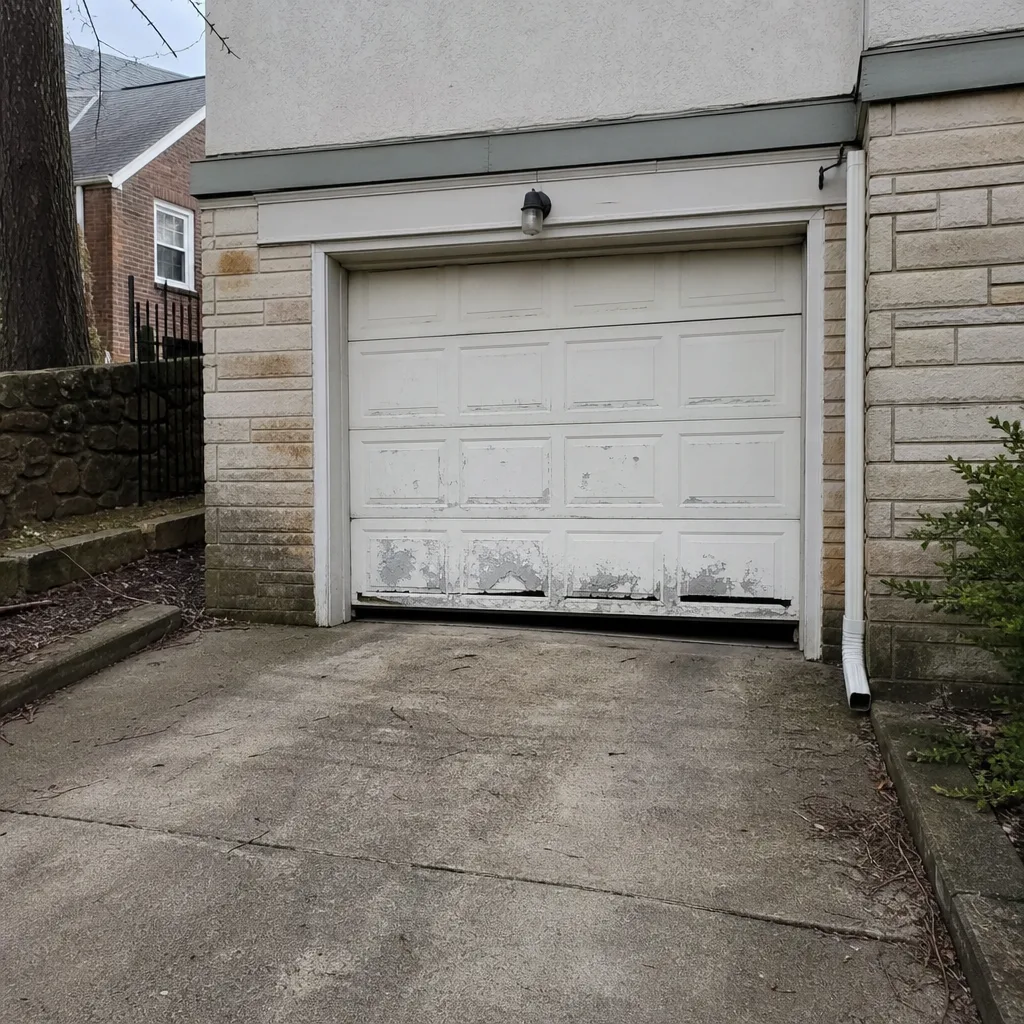
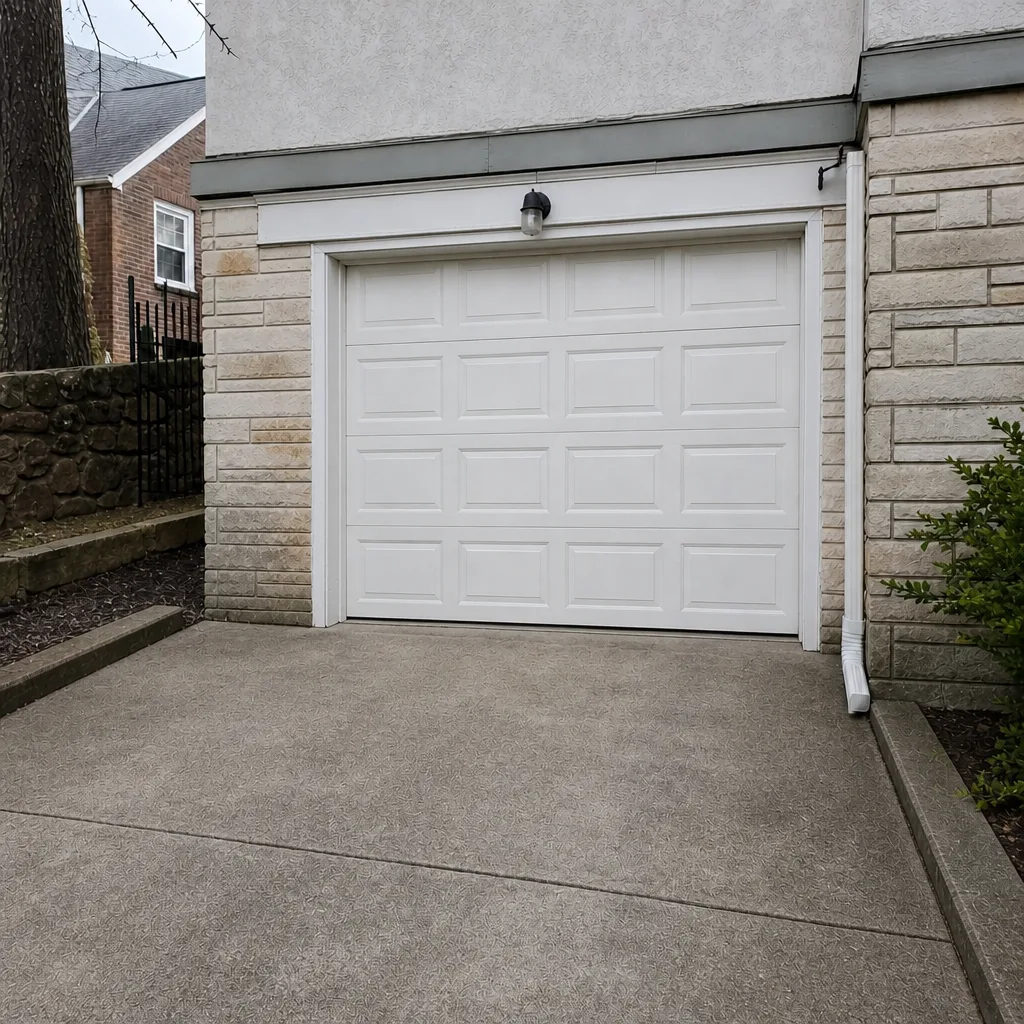
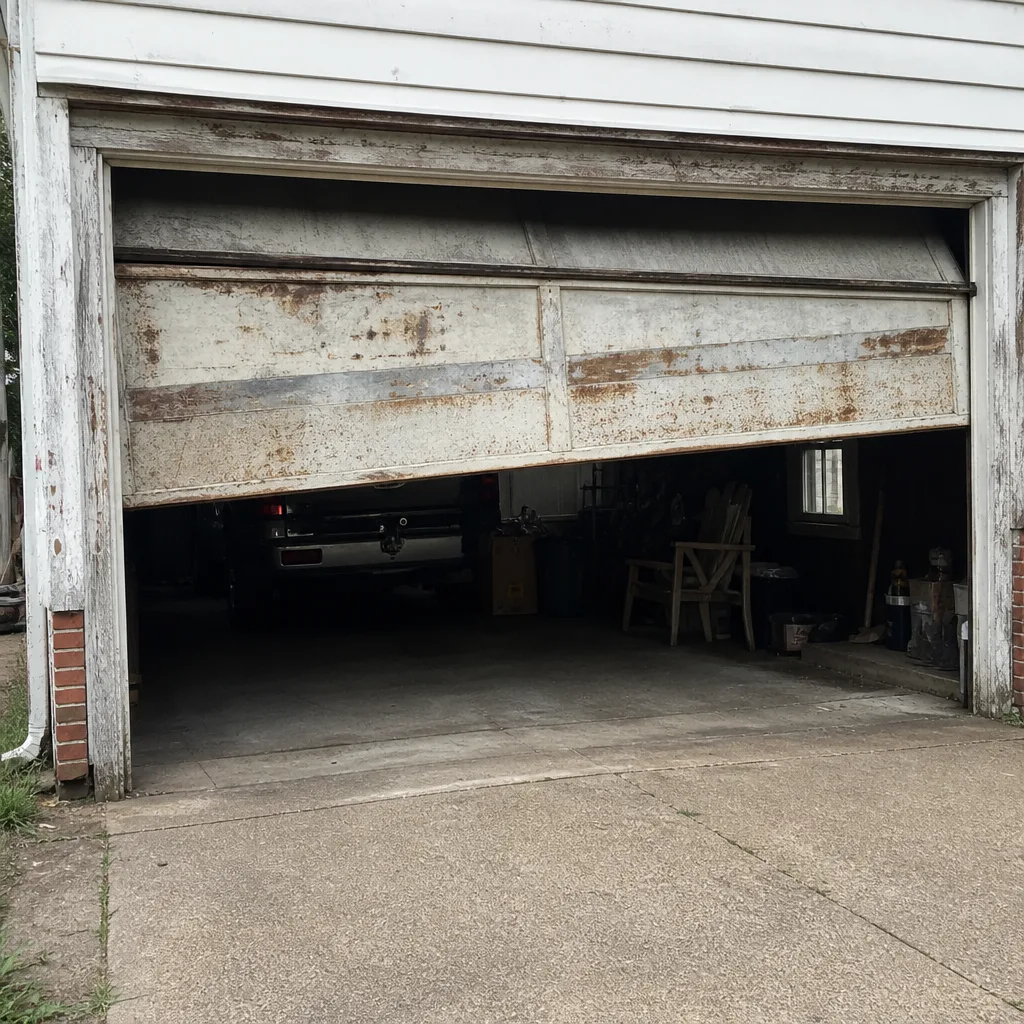
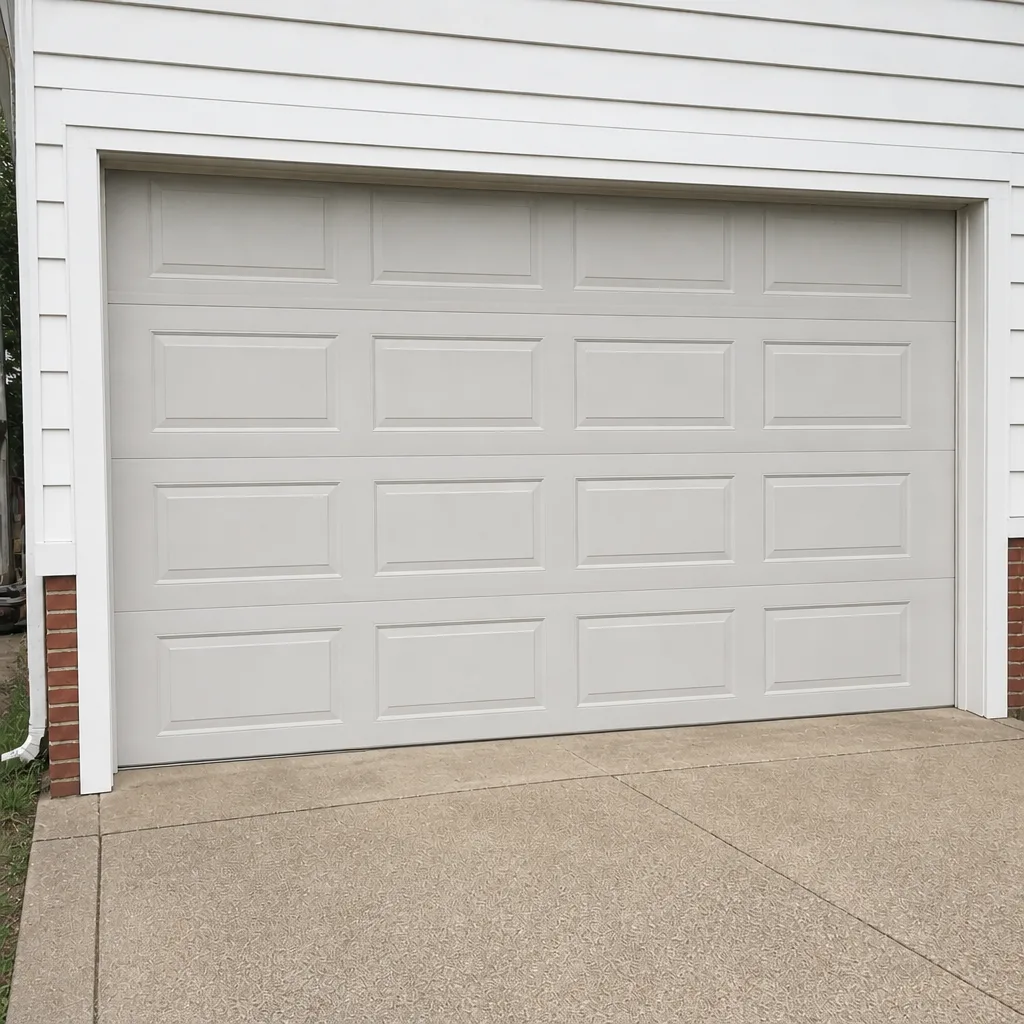
See the difference
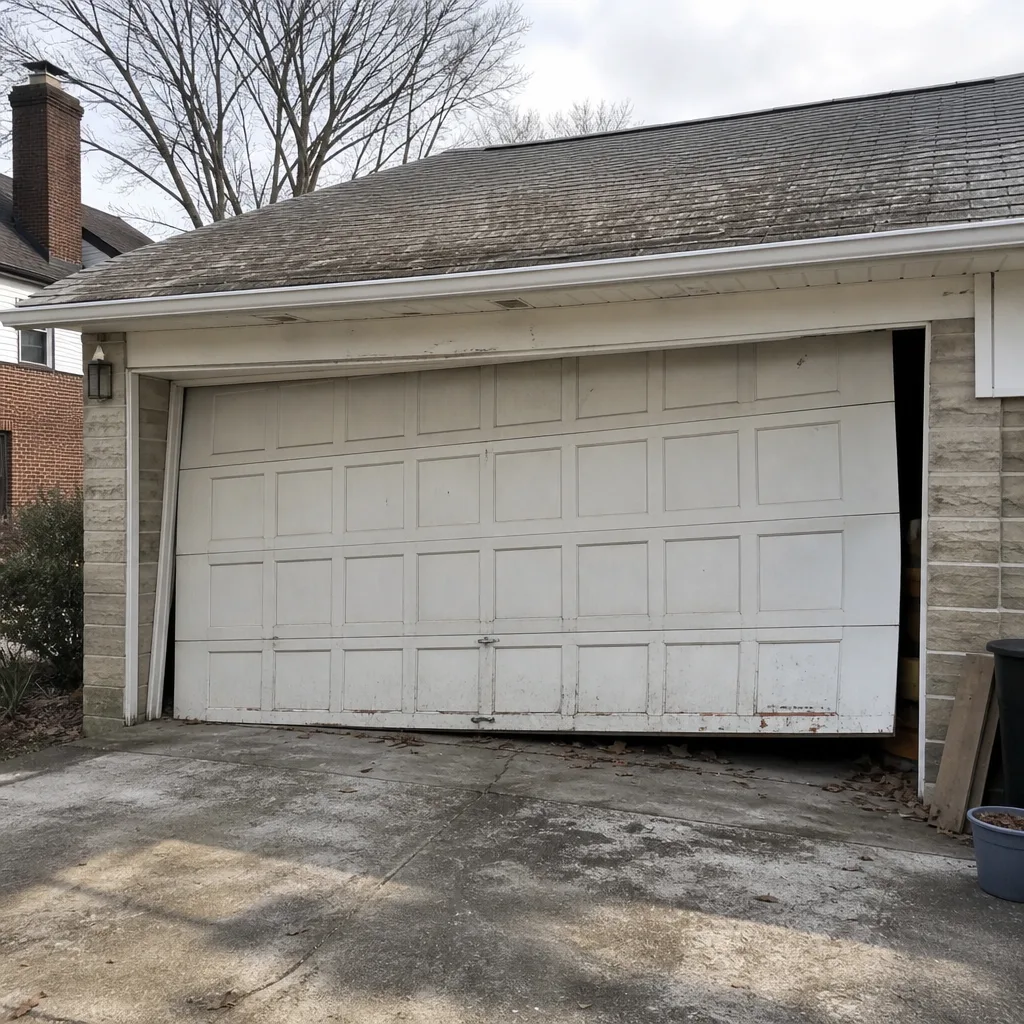 Before
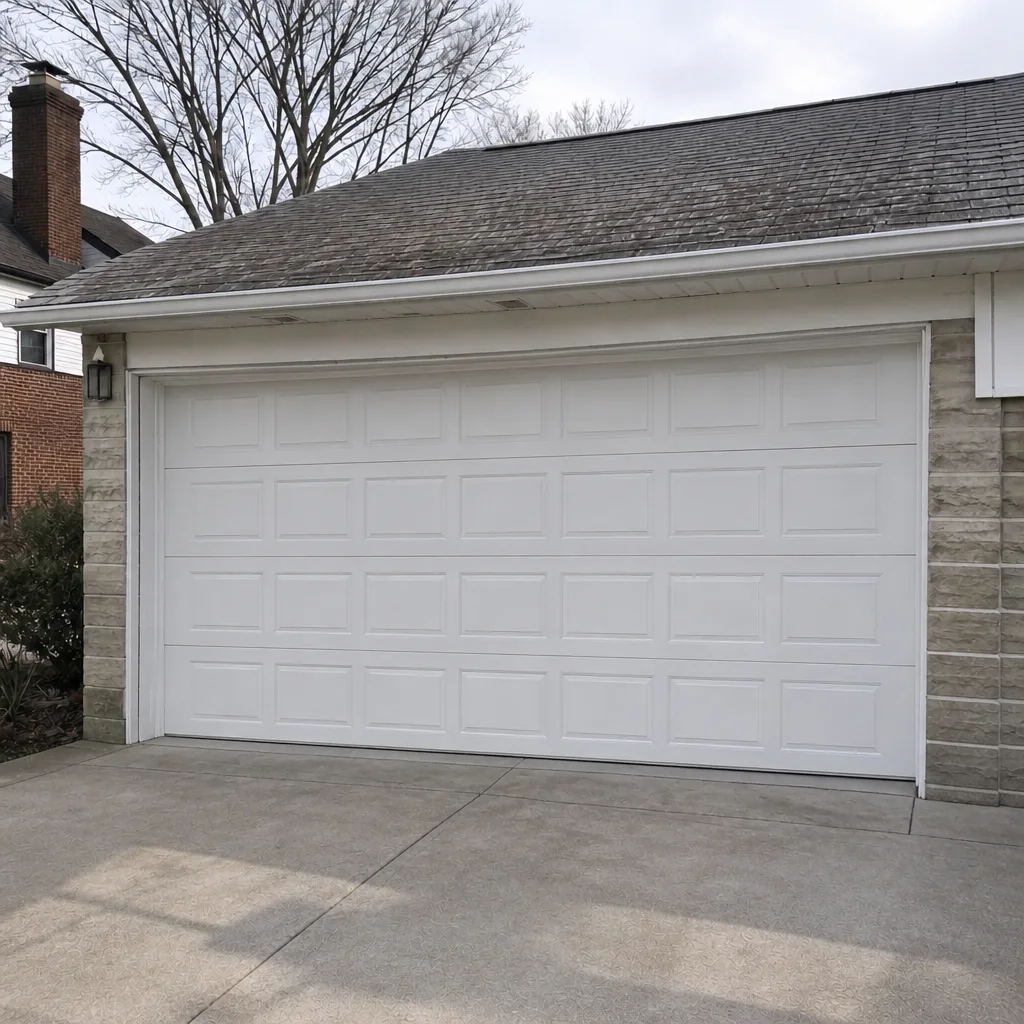 After
 Before
 After
 Before
 After